(520) 790-2151



For individuals with special needs, visiting the dentist can be a stressful experience. Sensory sensitivities, cognitive impairments, and difficulty sitting still for extended periods can make routine dental care overwhelming. Many patients struggle with anxiety or an inability to tolerate certain procedures, leading to neglected oral health. Fortunately, sedation dentistry provides a safe and effective way to ensure these patients receive the dental care they need without unnecessary stress.
What Is Sedation Dentistry?
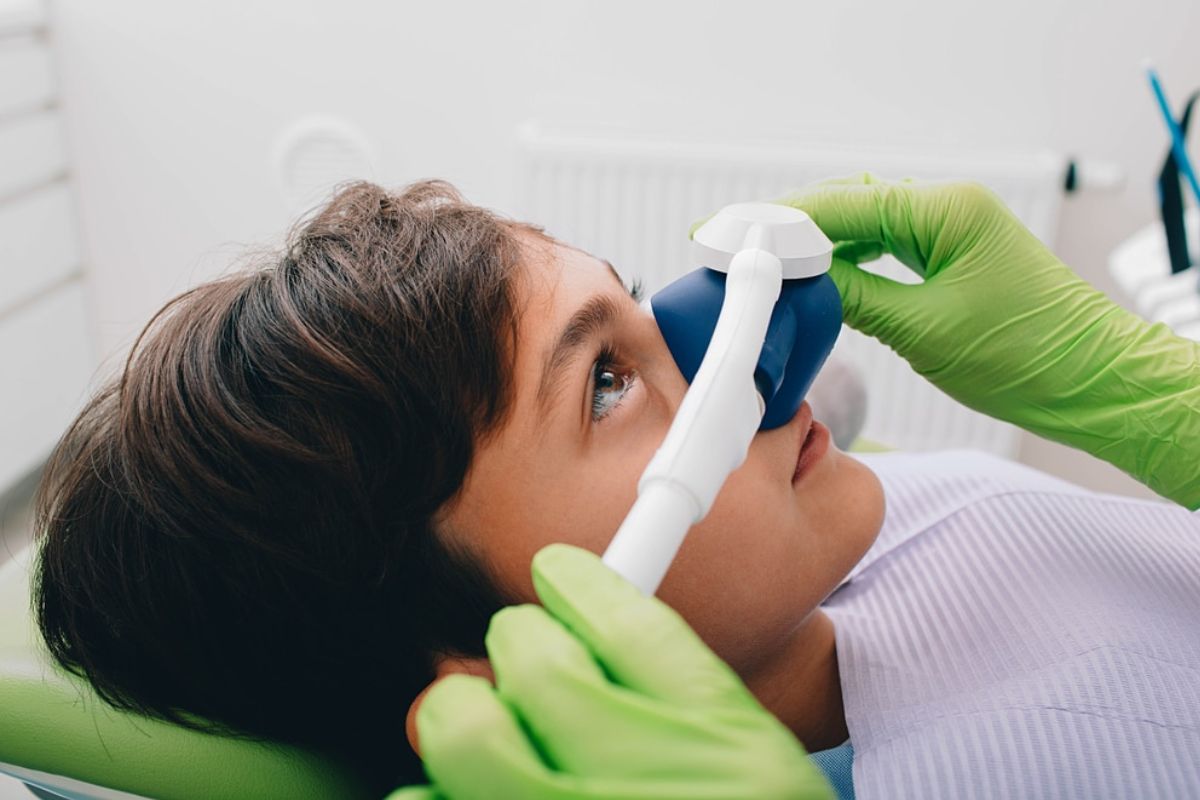
Sedation dentistry involves using medication to help patients remain calm and comfortable during dental procedures. It can range from mild relaxation to deep sedation, depending on the patient’s specific needs. The most common types of sedation include:
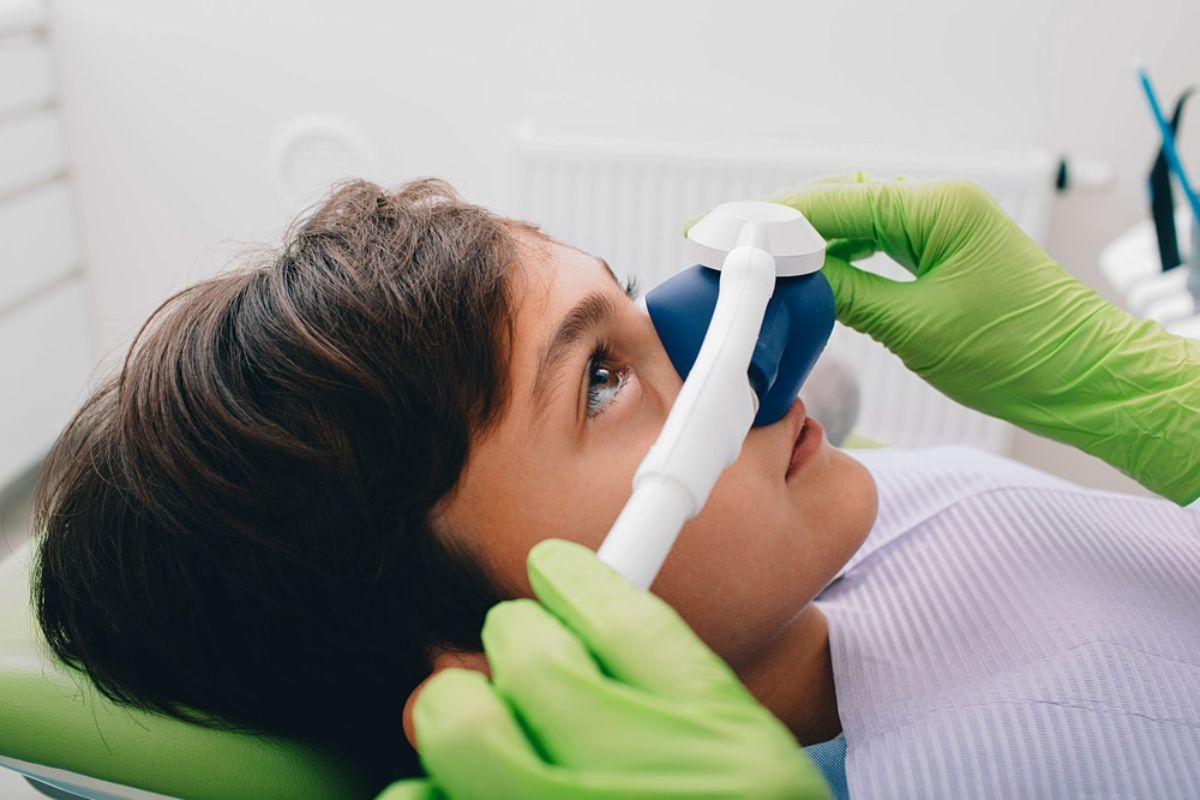
- Nitrous Oxide (Laughing Gas): A mild sedative that helps patients relax while remaining fully awake.
- Oral Sedation: A prescribed pill taken before the appointment to induce relaxation.
- IV Sedation: A stronger sedation option administered through an intravenous line for a deeper state of calm.
- General Anesthesia: Used for complex cases where a patient needs to be completely unconscious.
How Sedation Dentistry Helps Patients with Special Needs
- Reduces Anxiety and Fear: Dental anxiety is common, especially among individuals with cognitive or sensory challenges. The unfamiliar sights, sounds, and sensations of a dental office can be overwhelming. Sedation dentistry minimizes fear and allows patients to undergo treatment in a calm, stress-free state.
- Helping Patients with Sensory Sensitivities: Many individuals with an autism spectrum disorder or sensory processing disorder find the bright lights, loud noises, and tactile sensations of a dental office overwhelming. Sedation dentistry dulls these sensitivities, allowing for a smoother experience.
- Allows for Longer Procedures in One Visit: Some patients struggle with sitting still for extended periods, making it difficult to complete necessary dental work. Sedation enables dentists to perform multiple procedures in a single visit, reducing the need for frequent appointments.
- Improves Cooperation During Treatment: For patients who have difficulty understanding instructions or resist involuntary movements, sedation provides a safe way to ensure they remain still during treatment. This is especially beneficial for those with conditions such as cerebral palsy, Down syndrome, or severe ADHD.
- Enhances Comfort and Pain Management: Certain conditions make individuals more sensitive to pain. Sedation helps reduce discomfort by suppressing pain receptors and creating a relaxed state, ensuring a more comfortable dental experience.
Is Sedation Dentistry Safe for Special Needs Patients?
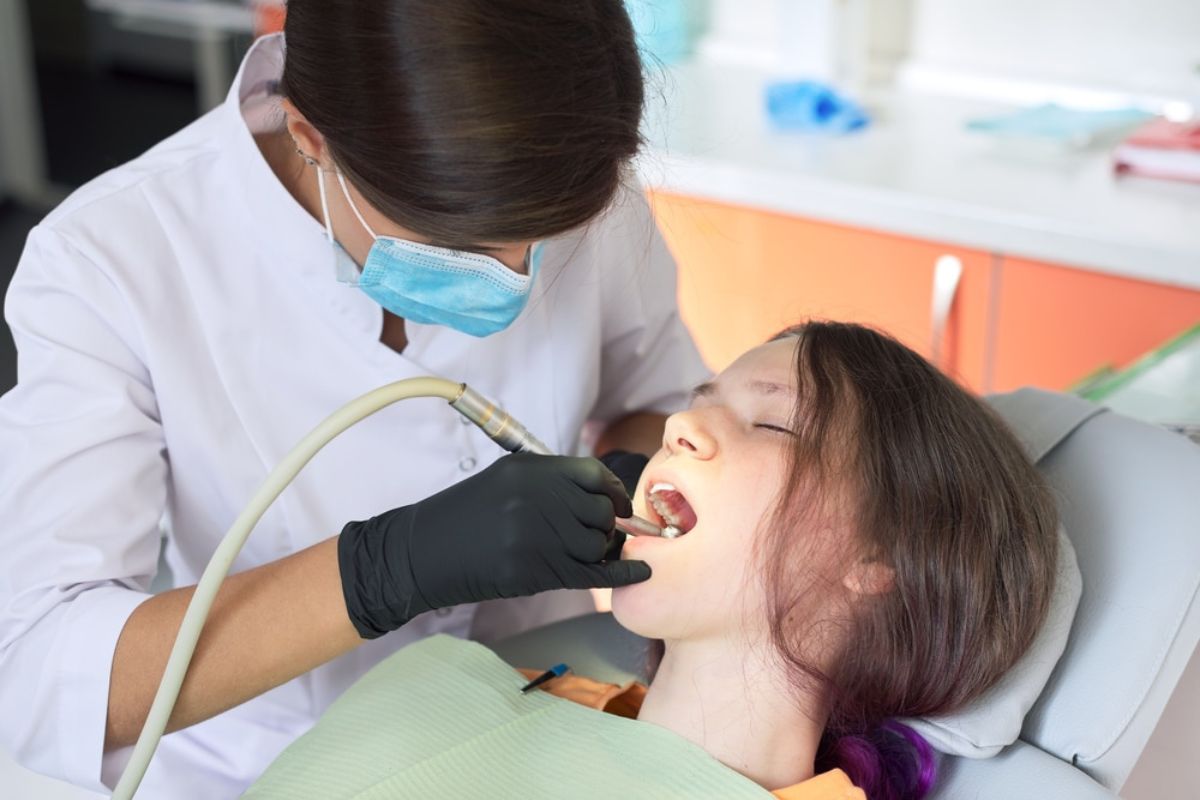
When administered by a professional sedation dentist, sedation is a safe and effective option. Before treatment, the dentist will assess the patient’s medical history, current medications, and any unique needs to determine the most appropriate sedation method. A dedicated team monitors vital signs throughout the procedure to ensure patient safety.
Finding the Right Sedation Dentist
When seeking a dentist for a special needs patient, it’s essential to choose one with experience in sedation techniques. Graig D. Brown DDS offers compassionate, specialized care to ensure every patient receives the dental treatment they deserve in a comfortable, stress-free environment.
Prioritizing Oral Health with Sedation Dentistry
Everyone deserves access to quality dental care, including those with special needs. If you or a loved one requires a patient-focused, comfortable approach to dentistry, consider scheduling an appointment with our sedation dentist today. Taking proactive steps toward better oral health can lead to a healthier, happier smile.