(520) 790-2151




Missing teeth affect more than just your smile. They change how you eat, speak, and feel about yourself every day. If you live in Tucson and are searching for a long-term solution, dental implants offer one of the most reliable paths to a fully restored mouth.
At Graig D. Brown DDS MS PLLC, Dr. Brown and his team bring decades of surgical training and thousands of successful implant placements to every patient who walks through their doors. Whether you have lost one tooth or several, this practice offers a level of care that goes far beyond routine dentistry. Read on to find out why so many residents choose advanced implant treatment over other tooth replacement options.
About Dr. Graig Brown
Dr. Graig Brown earned his Doctor of Dental Surgery from the University of Iowa College of Dentistry in 1984 and served as a general dentist in the U.S. Air Force for ten years before completing his specialty training. He earned his Master of Science in Periodontics from the University of Texas Health Sciences Center at San Antonio in 1996. He holds Board Certification as a Diplomate of the American Board of Periodontology and Dental Implant Surgery and has placed more than 8,000 implants throughout his career. He currently serves as Attending Periodontist and Specialist Consultant for the Tucson General Practice Residency of NYU Langone Health.
Why Tooth Replacement Matters for Patients Having Missing Teeth?
Tucson is a city built around an active, outdoor lifestyle. Residents hike the Catalina foothills, cycle The Loop, enjoy food tours through downtown, and spend time at farmers’ markets and community gatherings. When you are missing teeth, all of that becomes harder. Chewing certain foods becomes uncomfortable. Your confidence in social settings takes a hit. Over time, the bone beneath the space begins to shrink because there is no tooth root stimulating it.
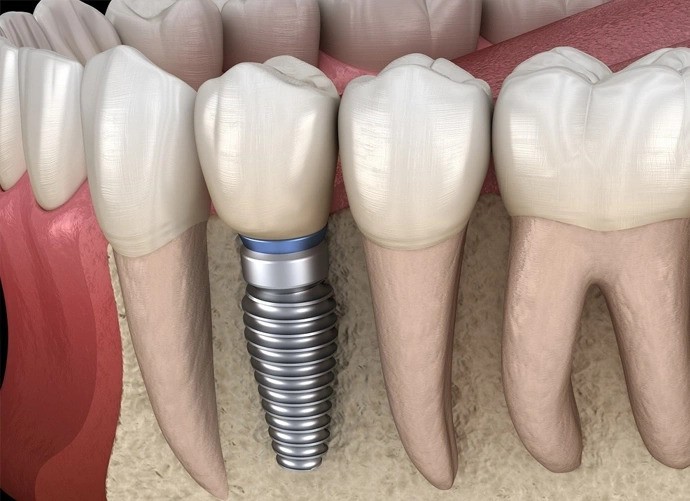
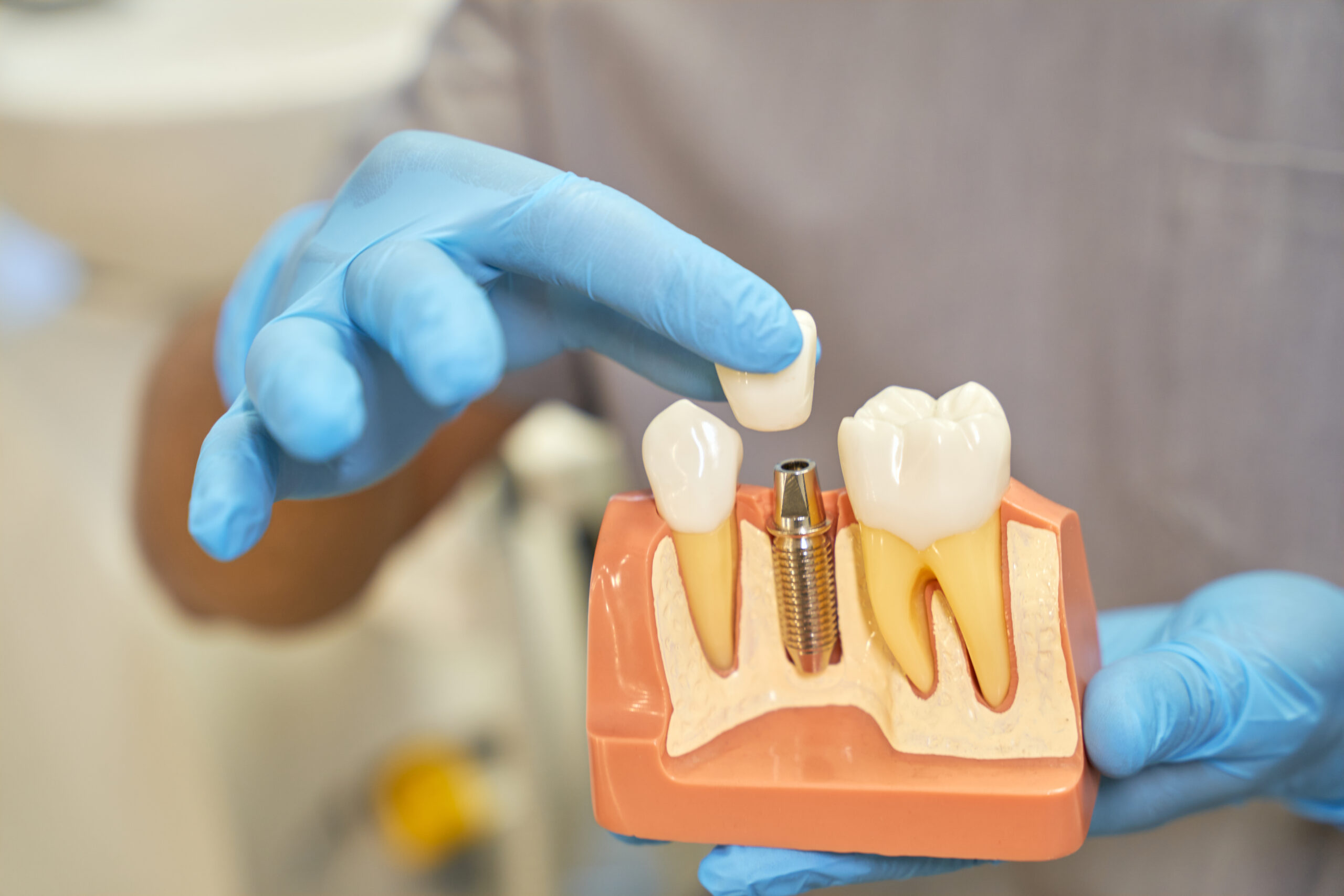
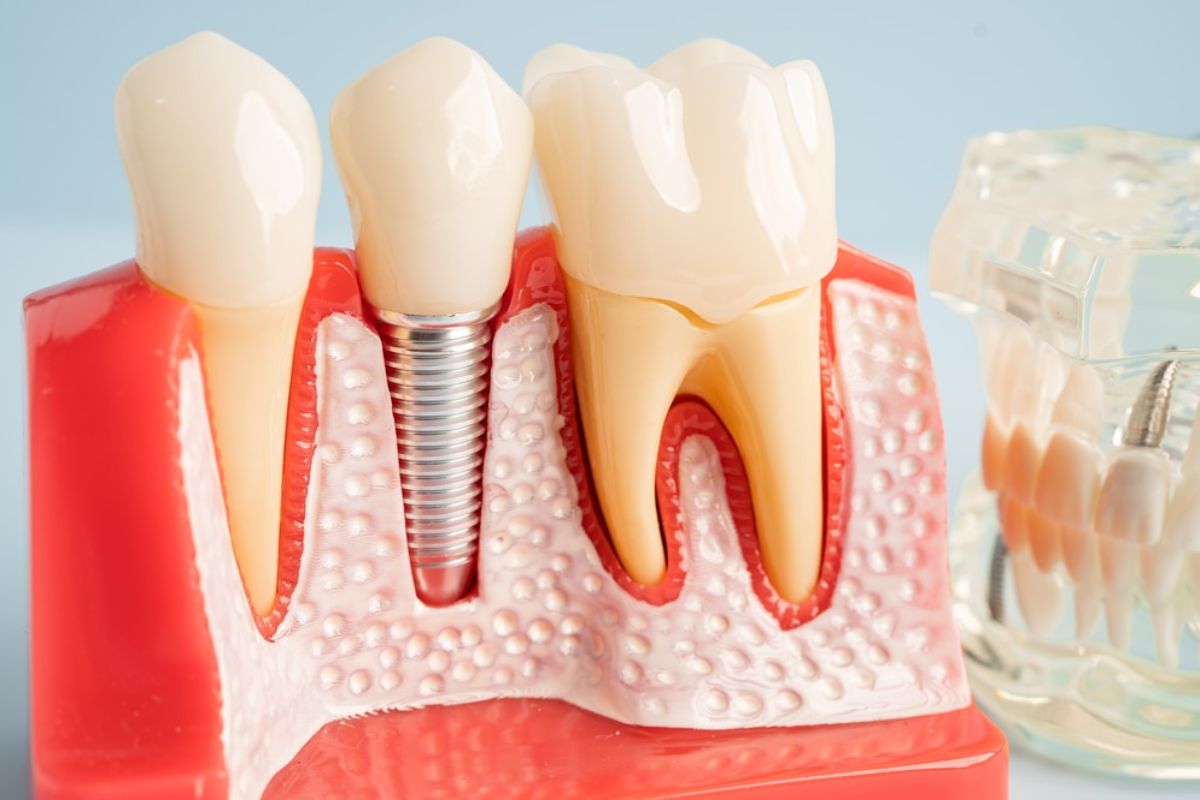
The good news is that modern implant surgery addresses all of these problems at once. A titanium post placed into the jawbone acts as an artificial tooth root. It fuses with the bone over time, preserving the jaw structure, and supports a lifelike crown. The result feels and functions like a natural tooth.
How Advanced Implant Dentistry Differs from Standard Options
Not all tooth replacement solutions work the same way. Here is a quick comparison of the most common options and why implant-supported restorations consistently stand out:
• Traditional dentures: Removable and non-invasive, but they shift during eating and speaking. They also fail to prevent bone loss over time.
• Fixed bridges: A bridge fills the gap but requires grinding down healthy neighboring teeth to support the restoration. Bone loss beneath the bridge still occurs.
• Implant-supported restorations: A titanium implant post fuses directly with the jawbone. It requires no alteration of adjacent teeth. It preserves bone density. It functions and looks like a natural tooth for decades.
The difference in long-term outcomes is significant. A dental implant is the only tooth replacement option that stimulates the jawbone and prevents the deterioration that follows tooth loss. Ready to regain your confidence and oral health? Contact us today to schedule your consultation for dental implants in Tucson.
What the Treatment Process Looks Like
Every implant case begins with a thorough evaluation. Your dentist will review your bone density, gum health, overall medical history, and the number of teeth that need replacement. No two cases are the same, and the planning stage determines the success of the entire procedure.
The process generally follows these stages:
• Comprehensive consultation and imaging: Detailed X-rays and clinical exams map out bone levels, nerve positions, and the condition of surrounding tissue.
• Preparatory procedures (if needed): Some patients require bone grafting, sinus elevation, or ridge augmentation before implant placement. These steps build the healthy foundation the implant needs to integrate properly.
• Implant post placement: The titanium post is surgically placed into the jawbone under local anesthesia. A healing period follows while the post integrates with the bone.
• Crown or restoration attachment: Once the implant has fully integrated, a custom crown, bridge, or implant-supported denture is attached to complete the restoration.
• Follow-up care: Regular checkups ensure the implant and surrounding tissue remain healthy over the long term.
One important factor many patients overlook is that active gum disease must be treated before implant surgery begins. Placing an implant in a mouth with uncontrolled periodontal disease dramatically increases the risk of failure.
Because Dr. Brown is a Board-Certified periodontist, he treats gum disease and places implants within the same practice. Patients in Tucson benefit from having both services provided by the same professional. If you are looking for dental implants in Tucson,
Surgical Services That Support Implant Success
Advanced implant surgery does not happen in isolation. Comprehensive implant care includes several supporting procedures. Dr. Brown performs all of these at his Tucson practice:
• Bone grafting and jaw bone augmentation: Rebuilds lost bone volume to create a stable foundation for the implant post.
• Sinus elevation: Lifts the sinus membrane in the upper jaw to create adequate bone height for implant placement.
• Ridge augmentation and preservation: Restores the natural contour of the jaw following tooth extraction.
• Tissue grafting: Builds up soft tissue around the implant site for a natural appearance and long-term stability.
• Periodontal reconstructive surgery: Addresses bone and gum damage from periodontal disease before the implant process begins.
Having all of these services available under one roof makes the process more coordinated and the outcomes more predictable.
Ready to find out if you are a candidate for implant surgery? Call Graig D. Brown or visit the practice at 3148 N. Swan Road, Tucson, AZ 85712 to schedule your consultation. The team serves patients from Tucson, Oro Valley, Marana, Green Valley, Sahuarita, Sierra Vista, and throughout Pima County.
Who Makes a Good Candidate for Implant Treatment?
Most adults with missing teeth and sufficient bone density qualify for implant surgery. Ideal candidates are generally in good health, do not smoke, and have healthy or treatable gum tissue. If you have experienced bone loss, that does not automatically disqualify you. Bone grafting and other preparatory procedures can restore the volume needed for successful implant placement.
Factors that need to be evaluated before recommending implant surgery include:
• Current bone density and jaw structure
• Gum health and presence of any active periodontal disease
• Overall medical history, including conditions like diabetes or bleeding disorders
• Number and location of missing teeth
• Lifestyle habits such as smoking, which can interfere with healing
Why Tucson Residents Choose Graig D. Brown DDS MS PLLC
When Tucson patients search for an implant dentist, they often encounter general dentists who offer implant placement as one of many services. Dr. Brown is different. Periodontics and implant surgery represent the entire focus of this practice.
The practice also emphasizes conservative treatment. Dr. Brown recommends surgery only when necessary and limits intervention to areas that truly need it. This approach builds trust and produces outcomes that hold up over time.
Patients from Tucson and surrounding areas, including Oro Valley, Marana, Green Valley, and Sierra Vista, regularly travel to the Swan Road location for implant consultations. The practice accepts referrals from other dentists and welcomes patients who self-refer after researching their options.
If you have been researching dental implants in Tucson and wondering whether they are the right fit for your situation, a consultation with Dr. Brown is the clearest way to get a concrete answer. The evaluation gives you a realistic picture of your treatment timeline, the preparatory procedures that may be involved, and the final result.
Take the First Step Toward a Complete Smile Transformation
Living with missing teeth does not have to be permanent. Advanced implant surgery gives Tucson residents a durable, natural-looking solution that works with the body rather than against it. From bone grafting to final crown placement, every step of the process at this dental office is handled with precision and care by a clinician who has devoted his career to this specialty.
Whether you have one missing tooth or multiple gaps, the path to a restored smile starts with a conversation. Dr. Brown and his team are ready to evaluate your situation and walk you through every available option.
Schedule your consultation today. Don’t wait for the problem to get worse; the sooner you take action, the more options you have.
Frequently Asked Questions
How long do tooth implants last?
With proper care, implant posts can last a lifetime. The crown attached to the implant may need to be replaced after 10 to 15 years, depending on wear. Maintaining good oral hygiene and attending regular checkups keeps the implant healthy and functioning for decades. A consultation with a periodontist will give you a more precise picture based on your specific case.
Is the implant placement procedure painful?
Most patients report that implant surgery is more comfortable than they expected. Local anesthesia helps control discomfort during the procedure, and postoperative soreness typically resolves within a few days. A periodontist with extensive surgical training manages the process in a way that minimizes trauma to surrounding tissue and supports a smooth recovery.
What happens if I do not have enough bone for an implant?
Insufficient bone volume does not mean implants are out of reach. Bone grafting, sinus elevation, and ridge augmentation can rebuild the necessary foundation before implant placement begins. These preparatory procedures are commonly performed at periodontal specialty practices that offer comprehensive implant care.
Can I get implants if I currently have gum disease?
Active gum disease must be resolved before implant surgery proceeds. Placing an implant in an unhealthy environment significantly increases the chance of failure. A periodontist can treat the gum disease first and then develop an implant plan once the tissue and bone are healthy and stable.
How many missing teeth can implants replace?
Implant-supported restorations can replace a single tooth, multiple teeth, or an entire arch. Single-tooth implants use one post and one crown. Multiple missing teeth may be restored with implant-supported bridges. A full arch of missing teeth can often be treated with implant-retained dentures, which provide far greater stability than conventional removable dentures.
Why should I see a periodontist for implants rather than a general dentist?
Periodontists complete three additional years of specialty training focused specifically on the gum tissue, jawbone, and the structures that support teeth. When implant surgery involves preparatory procedures like bone grafting or treatment of gum disease, having a periodontist manage the entire process leads to more predictable results and better long-term outcomes. If any complications arise, the same specialist who placed the implant handles the care.