(520) 790-2151



Losing a tooth can feel like losing a piece of yourself. Whether it developed gradually from gum disease or all at once from an accident, the gap it leaves behind affects how you eat, speak, and carry yourself in everyday life.
Tooth replacement has come a very long way, and if you live in the Tucson area, you have access to some of the most advanced solutions available in modern dentistry.
At Graig D Brown DDS, we understand that every patient who walks through our door has a unique story, a unique concern, and a unique smile worth restoring. Under the care of Dr. Brown, a Board-Certified Diplomate of the American Board of Periodontology and Dental Implant Surgery with over 8,000 successful implant placements, patients receive the kind of personalized, surgical precision that turns a daunting procedure into a manageable, confidence-restoring experience.
This blog is for anyone who has been living with a missing tooth and wondering: Is there a better option? The answer, in nearly every case, is yes.
Why More Patients Are Choosing Implant-Based Solutions
Traditional bridges and removable dentures have been around for decades, and while they serve a purpose, they come with well-known drawbacks. Bridges require filing down adjacent healthy teeth. Dentures can slip, cause discomfort, and limit the foods you enjoy. Neither option addresses the bone loss that quietly begins the moment a tooth is lost.
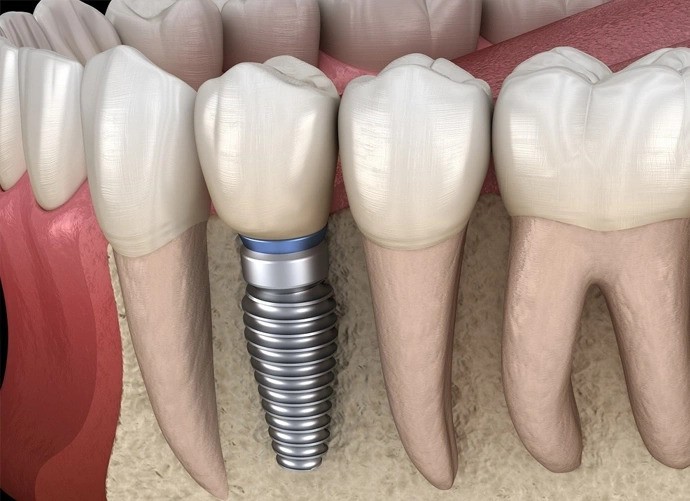
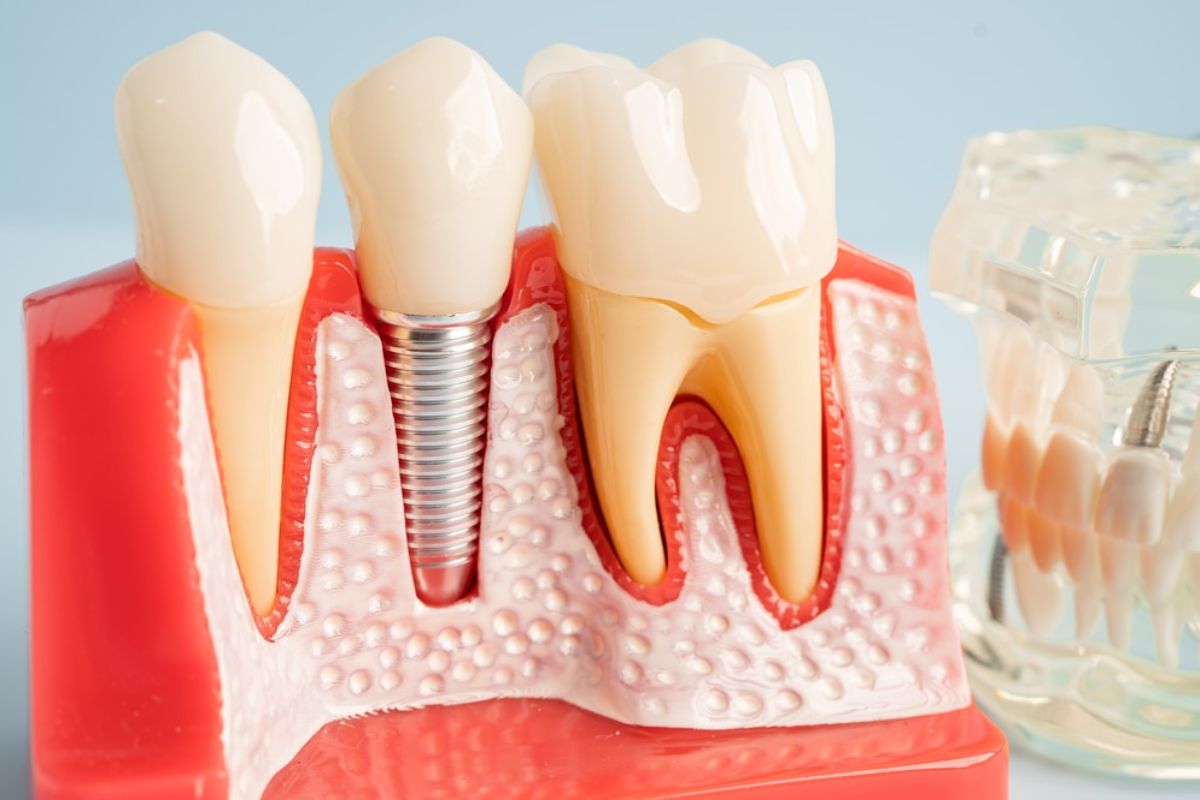
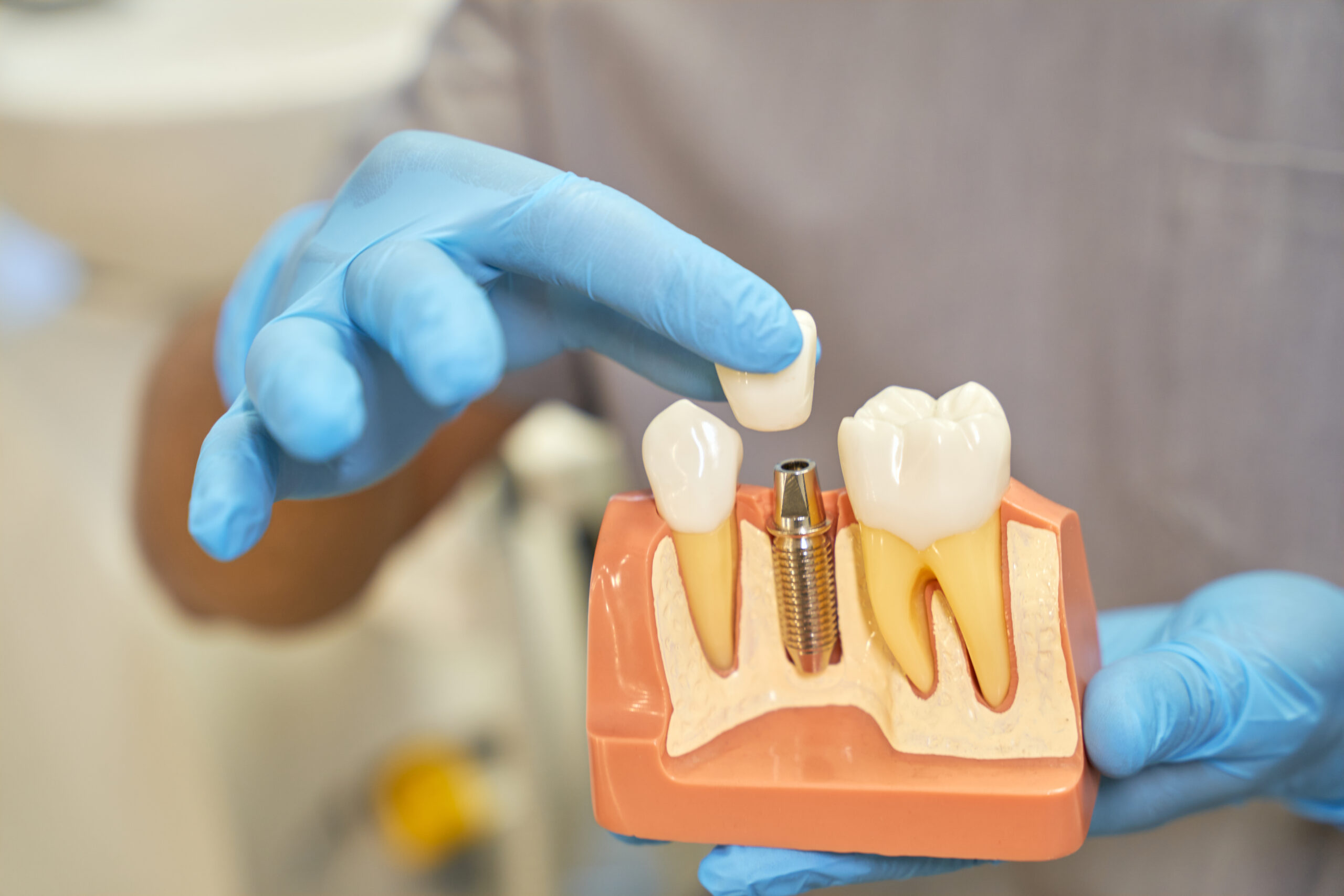
Dental implants work differently. A small titanium post is placed directly into the jawbone, where it fuses with the bone over time through a natural process called osseointegration. The result is a replacement tooth that looks, feels, and functions like the real thing, one that supports the jawbone rather than letting it deteriorate.
The benefits that consistently bring patients to this decision include:
• A permanent, fixed solution that does not need to be removed
• Preservation of jawbone density and facial structure
• No impact on neighboring healthy teeth
• The ability to eat, speak, and smile without restriction
• A lifespan measured in decades with proper care
For patients who have been tolerating a temporary fix or putting off treatment altogether, modern implant dentistry offers something that was simply not possible a generation ago: a second chance at a complete, healthy smile.
How Modern Technology Is Changing the Experience
One of the most common reasons patients delay treatment is fear- fear of pain, fear of a long recovery, fear of something going wrong. What many people do not realize is that the technology behind implant placement has transformed dramatically in recent years.
3D Cone Beam Imaging
Before a single incision is made, advanced 3D imaging allows the surgical team to map the patient’s jawbone, nerve pathways, and sinus cavities in precise detail. This means the dental post placement is planned digitally before it ever happens in real life, reducing guesswork, minimizing risk, and increasing accuracy from the very first step.
Digital Treatment Planning
Every patient’s anatomy is different. Digital planning software allows the care team to design a treatment approach tailored specifically to your bone structure, bite, and tooth alignment. This level of customization simply was not possible with older methods.
Minimally Invasive Surgical Techniques
With precise planning comes less disruption. Modern surgical approaches mean smaller incisions, less post-operative discomfort, and shorter recovery times. Many patients are surprised by how manageable the process actually is once they experience it firsthand.
Sedation Options for Complete Comfort
For patients with dental anxiety, in-office conscious sedation is available to ensure a calm, comfortable experience throughout the procedure. You don’t have to be afraid of the chair.
If you’ve been putting off dental implants in Tucson because you’re nervous about what the process involves, you’re not alone. You deserve a care team that takes that seriously.
What Makes a Periodontist the Right Choice for Implant Surgery
Not all dental post providers are the same. A periodontist is a dental specialist who completes three additional years of focused training beyond dental school, specifically in the structures that support teeth: the gums, the jawbone, and the surrounding tissue. This specialty training is crucial for surgery.
A trusted periodontist can handle every component of the implant process in one place, including:
• Bone grafting to rebuild lost jaw structure when needed
• Sinus elevation for patients with limited bone height in the upper jaw
• Soft tissue grafting for natural-looking gum contours around the implant
• Ridge augmentation following tooth extraction
• Periodontal treatment to address gum disease before implant placement begins
Having all of these services available under one roof means fewer referrals, more coordinated care, and far more predictable outcomes.
Choosing an implant dentist for your tooth replacement means choosing someone whose entire specialty centers on the tissues and structures that make implants work.
Who Is a Candidate for Implant Treatment?
The majority of adults who are missing one or more teeth are candidates for some form of implant-supported restoration. A thorough consultation and imaging review will determine the best path forward for your specific situation.
Common factors that are evaluated include:
• Overall health and any conditions that may affect healing
• The density and volume of the existing jawbone
• The health of the surrounding gum tissue
• The number of teeth missing and their location
Even patients who have been told they do not have enough bone for traditional dental posts may be candidates after bone grafting. Advances in bone regeneration techniques have significantly expanded who can benefit from this type of tooth replacement.
Whatever your situation, one missing tooth or many, a conversation with an experienced specialist is the only way to know what’s truly possible for your smile.
Implant-Supported Options for Multiple Missing Teeth
Dental implants are not limited to replacing a single tooth. For patients missing several teeth or an entire arch, implant-supported solutions offer a dramatic improvement over traditional dentures.
An implant-supported overdenture, for example, uses a smaller number of dental posts to anchor a full bridge securely in place. Unlike removable dentures, this approach eliminates slipping, restores the ability to eat a full range of foods, and maintains stability in the bone over time. It is one of the most transformative options available in restorative dentistry today.
Patients who have struggled with ill-fitting dentures for years often describe the change as life-altering.
Your Smile Is Worth the Next Step. Let’s Take It Together
Living with a missing tooth is not something you have to accept as permanent. Modern implant dentistry has made tooth replacement more precise, more comfortable, and more successful than at any point, and patients in Tucson have access to that care right in their own backyard.
At Graig D Brown DDS, located at 3148 N. Swan Road, Tucson, AZ 85712, Dr. Brown and his dedicated team are ready to evaluate your situation and walk you through every option available to you. From your first consultation to your final restoration, you will be supported by a practice built on trust, expertise, and genuine care for its patients.
You have waited long enough. Call us today to schedule your consultation. A complete, confident smile is closer than you think.
Frequently Asked Questions
1. How long does the entire implant process take?
The timeline varies depending on each patient’s needs. Some cases can be completed in a few months, while others involving bone grafting or additional preparatory steps may take longer. Your care team will give you a clear timeline based on your specific situation during your initial consultation.
2. Is the implant procedure painful?
Most patients report that the procedure is far more comfortable than they expected. Local anesthesia is used throughout, and sedation options are available for those with anxiety. Post-operative discomfort is typically manageable with over-the-counter pain relief and resolves within a few days for most patients.
3. How long do tooth implants actually last?
With proper care and regular dental checkups, implants can last many decades — in many cases, a lifetime. They are designed to be a permanent solution, not a temporary fix, and their longevity is one of the key reasons patients choose them over other tooth replacement options.
4. What if I’ve been told I don’t have enough bone for an implant?
Insufficient bone does not necessarily mean you are not a candidate. Bone grafting procedures can rebuild lost bone volume, creating a stable foundation for successful implant placement. A thorough evaluation will determine whether grafting is needed and what the best approach is for your anatomy.
5. Is an implant-supported solution better than a traditional denture?
For most patients, implant-supported restorations offer significant advantages over traditional removable dentures, including greater stability, improved ability to eat and speak, no risk of slipping, and ongoing support for the jawbone. Unlike dentures, implant-supported options actually help preserve bone density over time, which protects both your oral health and your facial structure.