(520) 790-2151




Think about the last time you sat down at a meal and genuinely enjoyed every bite, no hesitation, no soft-food workarounds, no quiet discomfort that you’d rather not mention. For people living with missing or failing teeth, that kind of uncomplicated eating can feel like a distant memory.
What most patients don’t realize is that tooth loss isn’t just a cosmetic issue. It directly shapes what you’re able to eat, and over time, it quietly chips away at the nutritional quality of your diet in ways you may not even notice. If you’ve been exploring permanent tooth replacement options in Tucson, you may be surprised to learn just how deeply the connection between a healthy bite and a healthy body runs.
The Quiet Nutritional Cost of Missing Teeth
When a tooth or several teeth go missing, the instinct is to adapt. People start avoiding the foods that give them trouble: raw vegetables, apples, crusty bread, steak, and nuts. What starts as a small inconvenience gradually becomes a long-term dietary pattern built around what’s easy to chew rather than what the body actually needs.
Research published in clinical nutrition journals consistently shows that adults with significant tooth loss consume fewer vegetables, less lean protein, and fewer high-fiber foods than those with a complete or restored dentition. The practical result is a diet heavier in soft, processed foods, which tend to be higher in refined carbohydrates and lower in the micronutrients that support bone density, immune function, and cardiovascular health.
Here in Tucson, where so much of the local food culture revolves around fresh produce from farmers’ markets like the Santa Cruz River Farmers Market, mesquite-grilled meats, and the wide variety of Sonoran-influenced cuisine, the inability to eat comfortably carries a real quality-of-life cost. Food is social, cultural, and celebratory, and missing out on it matters.
What Happens When You Restore the Bite
This is where implant-supported tooth replacement changes the picture in a meaningful way, not just structurally, but nutritionally.
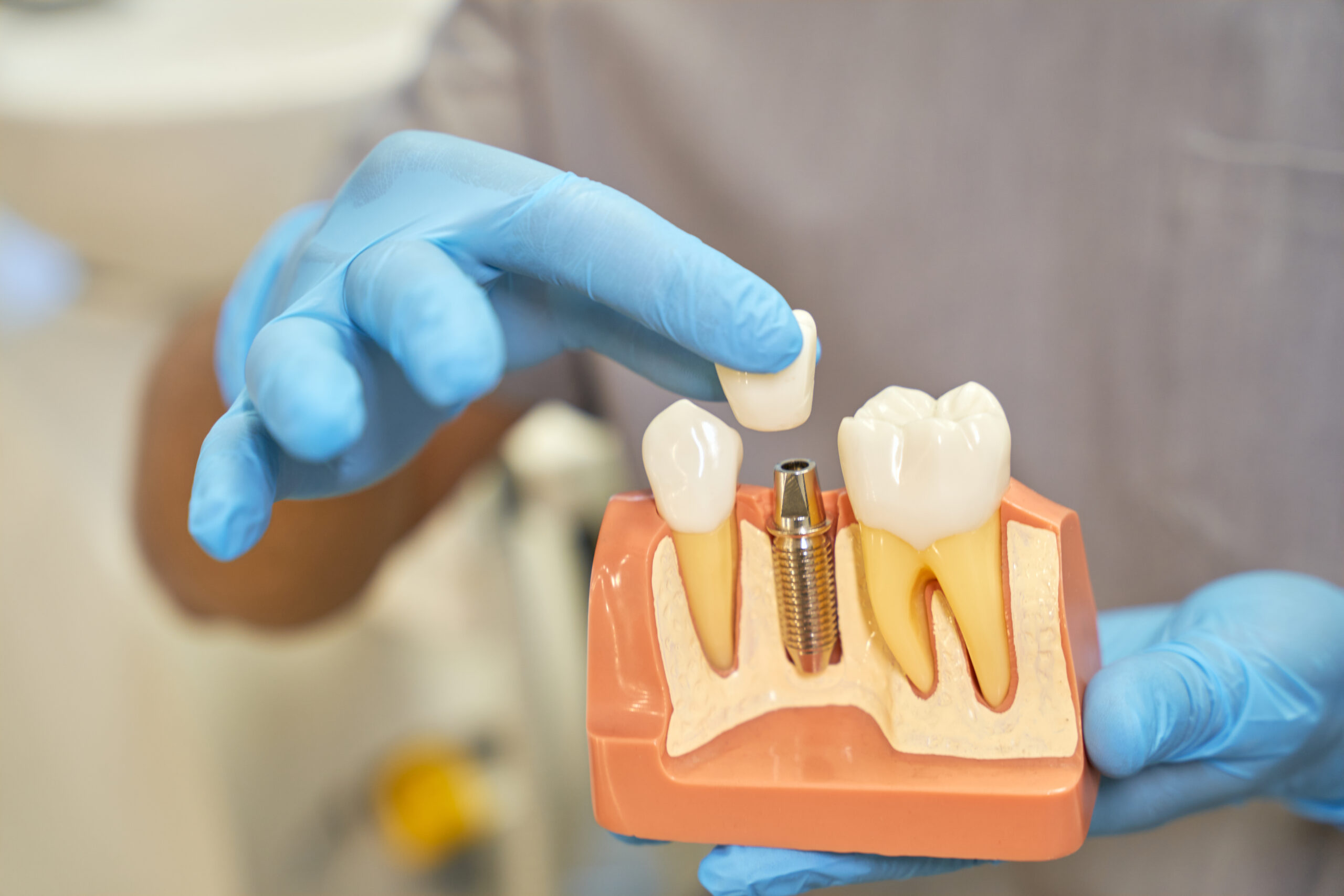
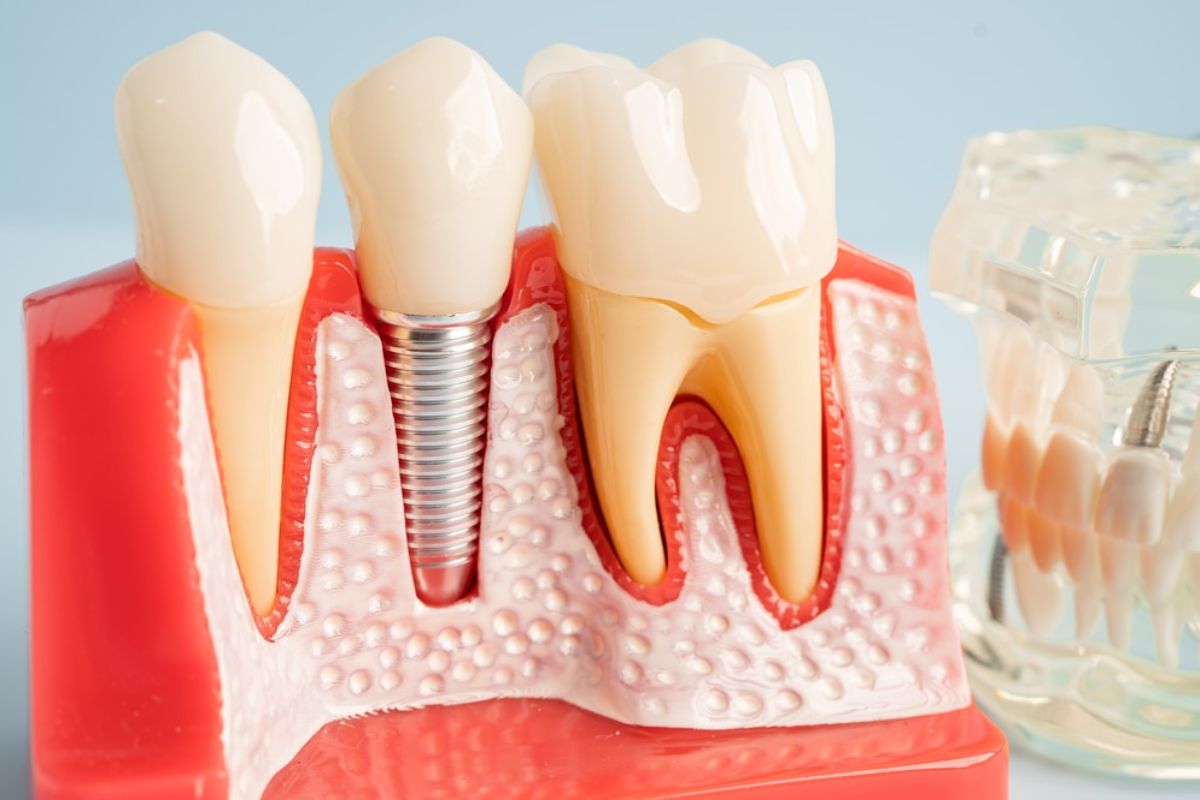
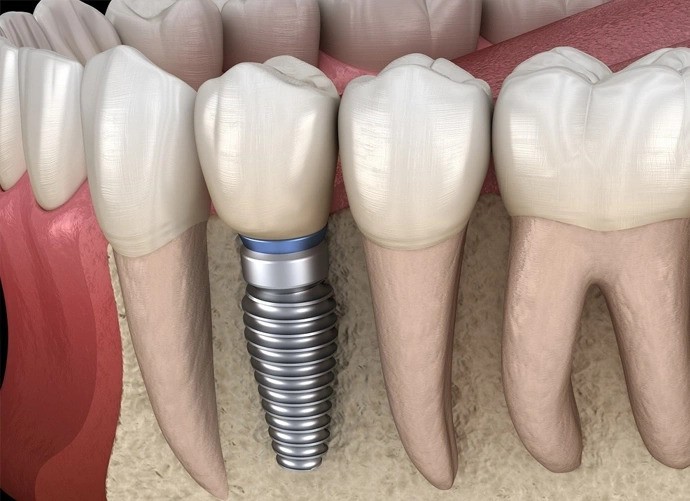
Unlike removable dentures, which reduce bite force to roughly 20–25% of natural chewing power, dental implants are anchored directly into the jawbone. They function like natural tooth roots. That means bite force, stability, and chewing efficiency are restored to levels that let patients eat almost any food they want, including the ones they’ve been quietly avoiding for years.
Patients who make the transition to implant-supported teeth consistently report a return to foods that had disappeared from their plates: salads, whole fruits, grilled proteins, legumes, and the kind of varied diet that delivers real nutritional benefit. That’s not a small thing. Over months and years, it adds up to measurably better health outcomes.
Here are some of the most consistent eating-related improvements patients experience after implant placement:
- Wider food variety. Hard, crunchy, and chewy foods that were previously avoided become accessible again, meaning more vegetables, more lean proteins, and more whole grains.
- Better chewing efficiency. Properly chewed food is better broken down before digestion, which supports nutrient absorption, particularly important for older adults whose digestive systems are less efficient to begin with.
- Improved confidence at the table. Patients describe feeling less self-conscious when eating in front of others, especially at gatherings and restaurants. Meals become social again.
- Reduced reliance on soft, processed foods. When patients no longer default to what’s easiest to chew, the processed food proportion of their diet naturally drops
- Sustained jawbone health. Because implants stimulate the bone the way a natural tooth root does, they prevent the progressive bone loss that occurs beneath dentures, which, if left unchecked, can eventually affect facial structure and further compromise the ability to eat comfortably.
A Tucson Perspective: Why This Matters Locally
Tucson is one of the most culturally rich food cities in the American Southwest. It holds the distinction of being the first UNESCO City of Gastronomy in the United States, a recognition of its deep, centuries-old food traditions rooted in Indigenous, Spanish, and Mexican heritage. Tepary beans, nopales, cholla buds, mesquite flour, and an extraordinary range of fresh chiles are part of a local food identity that dates back thousands of years.
Many of these traditional foods, fibrous, chewy, nutrient-dense, are exactly the ones that patients with compromised dentition quietly stop eating. When implant treatment restores full chewing function, it doesn’t just improve nutrition in a clinical sense. For many Tucson patients, it means coming back to a table they felt they’d been pushed away from.
Is Implant Treatment Right for You?
Good candidates for dental implant placement typically have adequate jawbone volume to support the implant, healthy or well-managed gum tissue, and no uncontrolled systemic conditions that would impair healing. For patients who have experienced bone loss from long-term tooth absence, procedures like bone grafting or sinus elevation, both performed at Graig D. Brown DDS, can often restore the necessary foundation before implant placement.
Dr. Brown has placed over 8,000 dental implants since completing his specialty training in Periodontology and Dental Implant Surgery in 1996, and he currently serves as Attending Periodontist/Specialist Consultant for the Tucson General Practice Residency of NYU Langone Health. That depth of experience means your case, whether straightforward or complex, is in genuinely expert hands.
Take the First Step
If missing teeth are shaping what you eat, how you eat, and how you feel about eating, that’s worth addressing — not just for your smile, but for your long-term health.
Request a Consultation → Visit perioaz.com to schedule your implant consultation. The first appointment includes a thorough evaluation, a review of your medical and dental history, and a clear, honest conversation about what treatment would look like for you — no pressure, no rush.
Call the Office → Reach Dr. Brown’s team directly at (520) 790-2151. The staff is known for making every patient feel genuinely welcomed and informed before any decision is made.
Serving the Greater Tucson Region → Graig D. Brown DDS serves patients from Tucson, Oro Valley, Marana, Green Valley, Sahuarita, Sierra Vista, Benson, Nogales, and throughout Pima County, Arizona.
Frequently Asked Questions
Can dental implants really restore normal chewing ability? Yes, and this is one of the most important functional differences between implants and removable dentures. Because implants integrate with the jawbone, they restore bite force close to that of natural teeth. Most patients can return to eating a full, unrestricted diet, including foods they had avoided for years.
How long does the implant process take from start to finish? It varies by case. A straightforward single implant may be completed in a few months. Cases that require bone grafting, sinus elevation, or multiple implants take longer, sometimes six months to over a year. Dr. Brown will give you a realistic timeline based on your specific anatomy and treatment plan at the consultation.
Does bone loss from missing teeth disqualify me from getting implants? Not necessarily. Many patients who have experienced bone resorption are still candidates for implants after preparatory procedures like bone grafting or ridge augmentation. Dr. Brown specializes in exactly these reconstructive steps and will assess your bone volume at the initial evaluation.
Are dental implants in Tucson covered by insurance? Coverage varies significantly by plan. Some insurance policies cover portions of implant-related costs, particularly the crown or the diagnostic phase. The office team at Graig D. Brown DDS can help you understand your specific benefits and discuss financing options if needed.
What is the recovery like after implant surgery? Most patients manage post-operative discomfort with over-the-counter pain relief and return to normal activities within a day or two. A soft-food diet is recommended during the initial healing phase, after which the implant fuses with the bone over several weeks to months. Dr. Brown and his team provide detailed aftercare guidance and follow up closely throughout the process.
How do I know if I’m a good candidate for implants? The best way to find out is through a proper clinical evaluation. Dr. Brown will review your bone structure, gum health, medical history, and treatment goals to determine whether implants are appropriate for you and if additional preparatory steps are needed. There’s no obligation at the consultation stage.
How far does Dr. Brown’s practice serve? The practice serves patients from across the Southern Arizona region, including Tucson, Oro Valley, Marana, Green Valley, Sahuarita, Sierra Vista, Benson, Nogales, and surrounding Pima County communities.