(520) 790-2151




Losing a tooth as an adult tends to bring on a mix of embarrassment and frustration embarrassment about how it happened, and frustration about how to fix it without it being obvious or uncomfortable. Whatever the cause, whether an old filling finally failed or an injury took the tooth out entirely, the gap left behind tends to cause more problems the longer it sits there untreated.
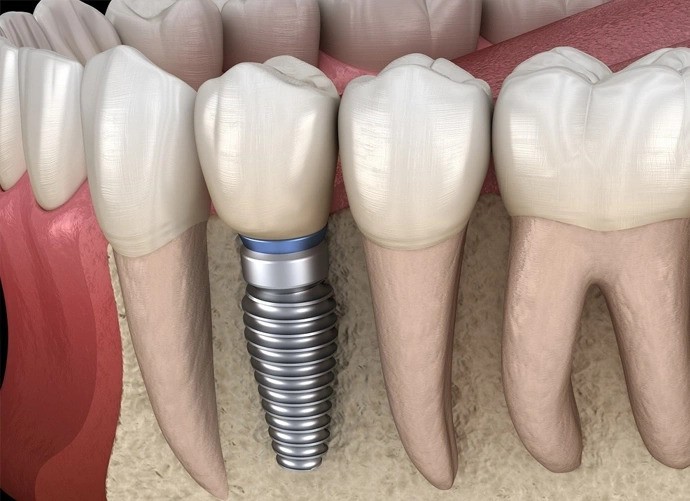
Permanent tooth replacement through dental implants in Tucson is designed to solve that at the source. A titanium post replaces the missing tooth root, fusing with the jawbone over several months, and a custom crown is placed on top once healing is complete. The result functions and looks like a natural tooth, without relying on neighboring teeth the way a bridge does.
Why implants are often the preferred long-term option:
- They don’t require altering healthy adjacent teeth
- They help preserve jawbone density, which naturally decreases after tooth loss
- With proper care, they’re built to last many years
- They function like a real tooth for biting and chewing
- They blend seamlessly with the rest of your smile
- They eliminate the need for adhesives or nightly removal like a denture
Tucson’s active population — hikers on the trails around Sabino Canyon, cyclists on the roads out toward Gates Pass — means dental injuries from falls or accidents come up more often than people expect. A specialist’s evaluation is usually the best first step to determine whether the jawbone is healthy enough to support an implant, or whether a bone graft is needed first to build up sufficient support.
What the full treatment timeline typically looks like
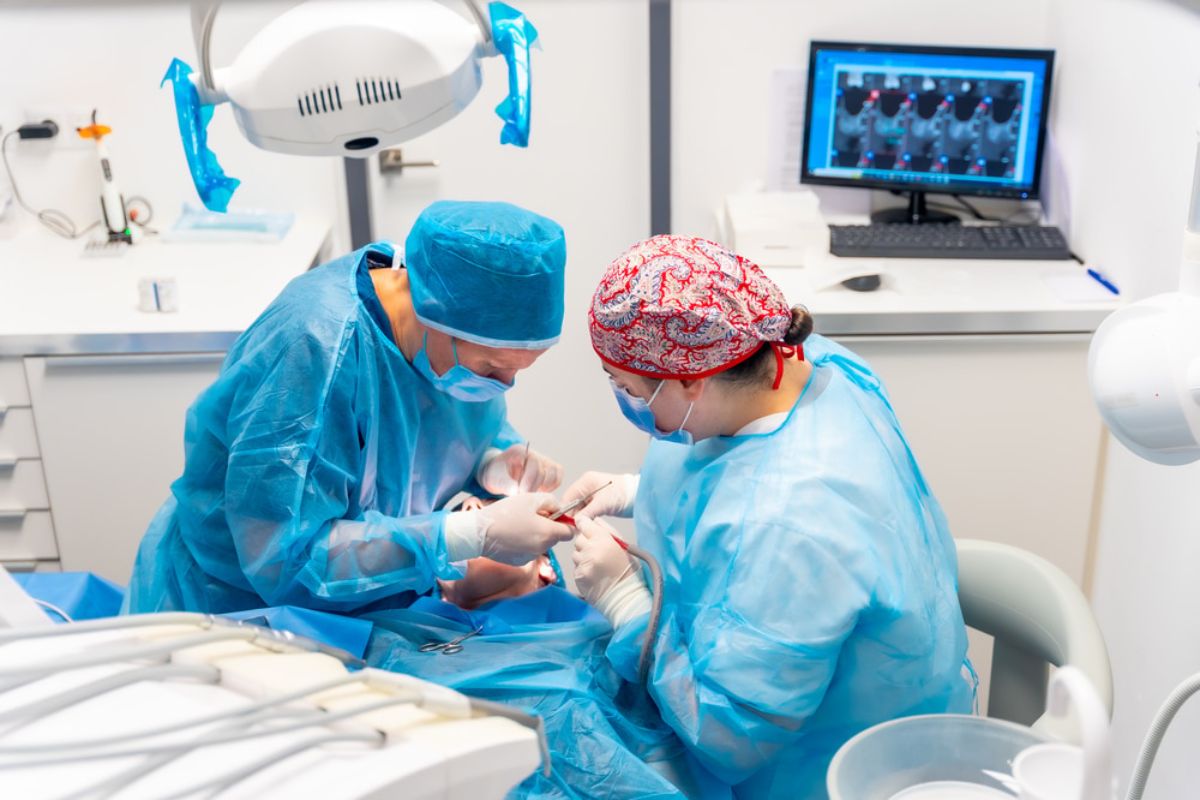
The process generally begins with a thorough evaluation, including imaging to assess bone density and plan the exact placement of the implant. If the bone is healthy, the implant post is placed in a relatively short procedure, followed by a healing period of a few months while it fuses with the jawbone, a process known as osseointegration. Once that’s confirmed, an abutment and custom crown are attached, completing the restoration. For patients whose bone density has decreased since losing the tooth, Dr. Brown may recommend a bone graft first, which adds time to the process but significantly improves the long-term success rate of the implant.
FAQs
How long does the whole process take? From placement to the final crown, it typically spans a few months to allow proper healing and bone integration.
Is the procedure painful? Most patients describe recovery as comparable to a tooth extraction, with discomfort that improves within a few days.
What if I’ve been missing a tooth for years? It’s often still possible, though bone density in the area will need to be evaluated, and a graft may be recommended first.
How do implants compare to a bridge? Implants preserve neighboring healthy teeth and tend to last longer, making them a strong long-term investment for many patients despite a higher upfront cost.
Can more than one missing tooth be replaced this way? Yes, multiple implants or an implant-supported bridge can often address several missing teeth in the same area, depending on bone health.
What kind of maintenance does an implant require? Ongoing care is straightforward — regular brushing, flossing, and checkups, much like caring for a natural tooth.
If a missing tooth has been on your mind, a consultation is a straightforward way to find out exactly what your options look like, and how soon a permanent solution could realistically be in place.