(520) 790-2151




Periodontal disease is one of the most common oral health issues in the United States, affecting millions of adults each year. In its earliest stages, it often begins with red, swollen, or bleeding gums. If left untreated, this condition can progress into advanced gum disease, which may lead to bone loss and tooth loss. The good news is that early intervention can make a significant difference, and one of the most effective treatments for stopping the progression is scaling and root planing.
Understanding Periodontal Disease in Its Early Stages
The first stage of periodontal disease, known as gingivitis, is caused by plaque and tartar buildup along the gumline. This buildup irritates the gums, leading to inflammation and tenderness. If not addressed promptly, gingivitis can evolve into periodontitis, where infection begins to affect the supporting structures of the teeth. Because these early symptoms may seem minor, many patients underestimate their seriousness. That’s where scaling and root planing become a crucial tool in restoring gum health.
What Is Scaling & Root Planing?
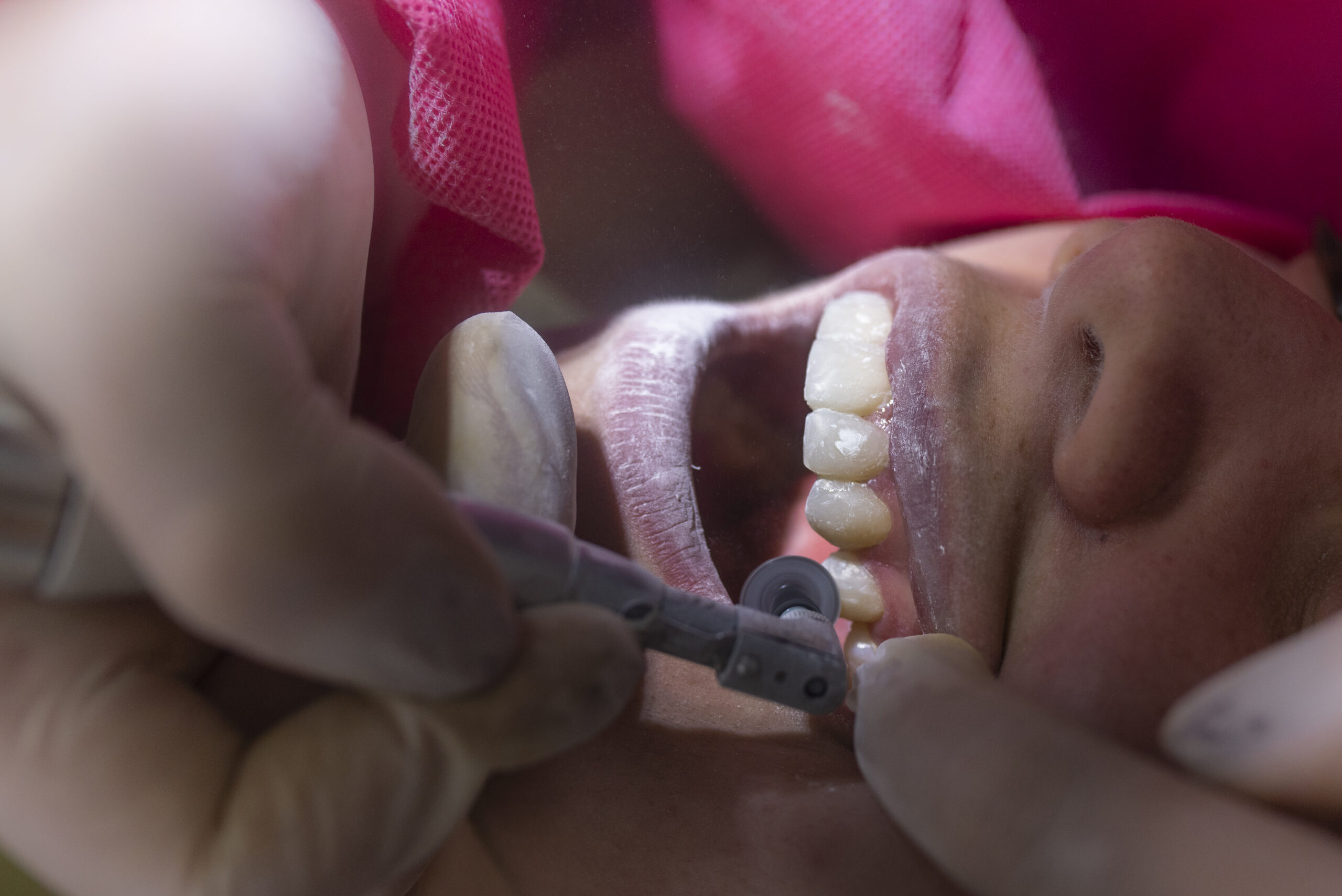
Scaling and root planing is often referred to as a “deep cleaning” procedure. Unlike a routine dental cleaning, which focuses on the visible surfaces of the teeth, this treatment goes below the gumline to remove hardened deposits of plaque and tartar. Scaling carefully eliminates these harmful buildups, while root planing smooths the surfaces of the tooth roots. This process discourages bacteria from reattaching, giving the gums a chance to heal and reattach to the teeth.
Why Scaling & Root Planing Is Effective
When performed early enough, scaling and root planing can reverse the effects of gingivitis and prevent progression to advanced periodontal disease. By removing the source of infection and inflammation, the gums can recover. Patients often notice reduced bleeding, less sensitivity, and improved gum color within weeks of treatment. More importantly, scaling and root planing help protect the jawbone and teeth from long-term damage.
The Role of a Specialist in Gum Care
Treating gum disease successfully requires experience and precision. A trusted periodontist in Tucson that residents rely on can evaluate the extent of gum infection and determine whether scaling and root planing is the right approach. In some cases, additional therapies may be recommended to enhance healing and long-term protection. Seeing a specialist ensures patients receive tailored care that targets not only symptoms but also the underlying causes of gum disease
Benefits Beyond Gum Health
The benefits of scaling and root planing go beyond restoring gum health. Research shows that periodontal disease has been linked to other health concerns, including heart disease, diabetes, and respiratory conditions. By controlling gum infections through deep cleaning, patients may also be supporting their overall well-being. Healthier gums contribute to fresher breath, greater comfort when chewing, and a more confident smile.
What to Expect After Treatment
After scaling and root planing, it’s normal for patients to experience mild tenderness or sensitivity for a few days. Dentists often recommend careful brushing, flossing, and rinsing with an antimicrobial mouthwash to keep bacteria under control. Follow-up visits are crucial to ensure gums are healing properly and to prevent reinfection. With consistent at-home care and professional monitoring, scaling and root planing can provide lasting results.
Taking the First Step Toward Healthier Gums
Periodontal disease may begin quietly, but early treatment makes all the difference. Scaling and root planing is a proven method to restore gum health and protect your teeth for the future. If you’ve noticed early signs of gum irritation, don’t wait until symptoms worsen. Consulting with a skilled provider like Graig D. Brown, DDS can help you take control of your oral health and maintain a strong, healthy smile.