(520) 790-2151




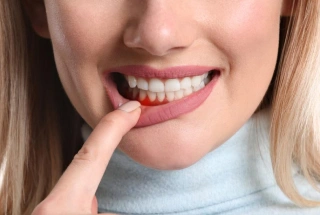
If you’ve noticed your teeth looking longer, increased sensitivity when drinking something cold, or a rough line near your gums, you may be experiencing gum recession. It’s one of the most common dental issues affecting adults over 50, yet many people in Tucson don’t realize it’s happening until the problem becomes more advanced.
Gum recession occurs when the gum tissue pulls back and exposes the sensitive root surface of the tooth. Unlike a cavity, it often develops slowly and quietly. You may not feel pain at first, which is why regular dental visits become even more important as we age.
Many patients searching for gum recession treatment Tucson AZ periodontist are surprised to learn that gum recession is often preventable when caught early.
Why gum recession becomes more common after 50
Aging alone does not cause gum recession, but several factors become more common with age and contribute to the problem:
- Years of brushing too hard: Aggressive brushing can gradually wear away gum tissue.
- Gum disease (periodontal disease): Infection and inflammation can damage the tissues supporting your teeth.
- Dry mouth: Common medications for blood pressure, allergies, and other conditions can reduce saliva, making gums more vulnerable.
- Teeth grinding or clenching: Extra pressure on the teeth can contribute to gum recession over time.
- Tobacco use: Smoking or chewing tobacco reduces blood flow to the gums and slows healing.
- Misaligned teeth or bite issues: Uneven pressure on certain teeth can cause localized recession.
In Tucson’s dry desert climate, dry mouth can be an especially important factor. Many residents already deal with dehydration and reduced moisture, which can affect both oral comfort and gum health.
The early signs people often miss
Gum recession usually develops gradually, so the symptoms can be easy to overlook. Watch for these early warning signs:
- Teeth appearing longer than before.
- Sensitivity to cold drinks, hot coffee, or sweets.
- Notching or grooves near the gumline.
- Red, swollen, or tender gums.
- Bleeding when brushing or flossing.
- Bad breath that doesn’t go away.
- Loose teeth in more advanced cases.
If you’ve experienced any of these symptoms, it’s worth scheduling a professional evaluation. Gum recession does not grow back on its own, but early treatment can stop it from worsening.
Why this matters more than people think
Exposed tooth roots are not protected by enamel, so they are much more sensitive and more vulnerable to decay. Untreated gum recession can eventually lead to:
- Persistent tooth sensitivity.
- Root cavities.
- Gum inflammation and infection.
- Bone loss around teeth.
- Loose teeth or tooth loss.
- Changes in your smile and facial appearance.
For many adults in Tucson, maintaining a healthy smile is about more than appearance. It’s about being able to enjoy meals with family, stay comfortable during social events, and protect overall health as we age.
The connection between gum health and overall health
Research continues to show links between periodontal health and systemic conditions such as diabetes, heart disease, and inflammation-related health problems. While gum disease does not directly cause these conditions, chronic inflammation in the mouth can affect the body as a whole.
That’s one reason many healthcare providers encourage adults over 50 to stay consistent with dental checkups and periodontal evaluations.
What treatment options are available?
The right treatment depends on the cause and severity of the recession. A dental professional may recommend:
- Deep cleaning (scaling and root planing): Removes plaque and tartar below the gumline and helps reduce inflammation caused by gum disease.
- Improved home care techniques: Switching to a soft-bristled toothbrush, using gentle brushing motions, and flossing consistently can help protect the gums from further damage.
- Night guards for grinding: If clenching or grinding is contributing to recession, a custom night guard can reduce pressure on the teeth and gums.
- Gum grafting or periodontal procedures: In moderate to severe cases, a periodontist may recommend procedures to restore lost gum tissue and protect exposed roots. Patients looking into gum recession treatment Tucson AZ periodontist often benefit from a consultation to determine whether grafting is appropriate.
The good news is that treatment is often less invasive when the condition is caught early.
A Tucson perspective: why local habits matter
Life in Tucson comes with unique habits and environmental factors that can influence oral health:
- Dry desert air: Can contribute to dehydration and dry mouth.
- Frequent coffee and iced drink consumption: Temperature extremes can make sensitivity more noticeable when roots are exposed.
- Active outdoor lifestyles: Hiking, golf, cycling, and other outdoor activities are great for health, but hydration is essential for maintaining healthy saliva flow.
- Seasonal allergies and medications: Common allergy medications may reduce saliva production and affect gum comfort.
Residents near Catalina Foothills, Oro Valley, and central Tucson often mention increased sensitivity during the dry months, which can sometimes be an early clue that gum recession is developing.
How to protect your gums starting today
Here are practical steps you can take right away:
- Use a soft-bristled toothbrush.
- Brush gently for two minutes twice a day.
- Floss daily to remove plaque between teeth.
- Stay hydrated, especially in Tucson’s dry climate.
- Limit tobacco use and discuss cessation options if needed.
- Wear a night guard if you grind your teeth.
- Schedule dental checkups and periodontal evaluations regularly.
Small changes in daily habits can make a significant difference in protecting your gum tissue over time.
Don’t ignore the signs
Gum recession is common, but it should never be ignored. The earlier it’s identified, the easier it is to manage and treat. If you’ve noticed sensitivity, changes in your gumline, or signs of gum inflammation, scheduling an exam is the best next step.
The team at Graig D. Brown DDS is committed to helping Tucson patients protect their smiles with personalized, preventive dental care. Whether you need a routine evaluation or want to discuss options for gum recession treatment Tucson AZ periodontist, a professional assessment can help you understand what’s happening and what to do next.
Frequently Asked Questions
Can gum recession grow back naturally?
No. Once gum tissue has receded, it does not regenerate on its own. However, treatment can stop further recession and, in some cases, restore tissue through periodontal procedures.
Is gum recession painful?
Not always. Many people have no pain in the early stages. Sensitivity to cold, heat, or sweets is often one of the first noticeable symptoms.
How do I know if I need a periodontist?
If you have moderate to severe gum recession, loose teeth, persistent gum inflammation, or signs of periodontal disease, your dentist may recommend seeing a periodontist for specialized care.
Can brushing too hard really cause gum recession?
Yes. Aggressive brushing over time can wear down gum tissue. A soft toothbrush and gentle technique are important for prevention.
What’s the best way to prevent gum recession?
Consistent oral hygiene, gentle brushing, flossing, staying hydrated, avoiding tobacco, and regular dental visits are the most effective preventive steps.