(520) 790-2151




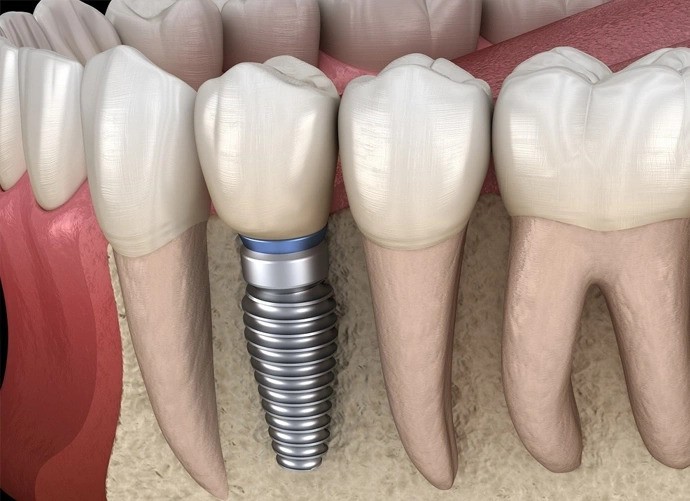
Missing a tooth or several affects far more than your smile. It changes the way you eat, speak, and carry yourself in daily life. Many people who explore tooth replacement options quickly discover that not every solution works the same way for every person. That is especially true when it comes to implant surgery. A titanium post placed in the jawbone sounds straightforward, but the planning that goes into each case is anything but one-size-fits-all.
Every patient who walks through the door of an implant practice brings a unique set of circumstances. Bone density, gum health, the number of missing teeth, overall medical history, and even lifestyle habits all shape the path forward. Without a careful, individualized plan in place before a single incision is made, the risk of complications rises and the chances of long-term success drop. That is why reputable implant practices invest significant time in building a customized treatment plan for each patient before any procedure begins.
If you have been searching for dental implants in Tucson, Graig D. Brown, DDS, is a practice built around exactly this kind of thorough, patient-first planning. Dr. Graig Brown completed his specialty training in Periodontics in 1996, earning his Master of Science in Periodontics from the University of Texas Health Sciences Center at San Antonio. He is a Board-Certified Diplomate of the American Board of Periodontology and Dental Implant Surgery and has placed over 8,000 implants throughout his career.
He currently serves as Attending Periodontist/Specialist Consultant for the Tucson General Practice Residency of NYU Langone Health.
Why No Two Implant Plans Look Alike
Walk into any reputable periodontist’s office, and you will hear the same thing: implant surgery is as much about preparation as it is about placement. The reason is simple. The jaw is a living structure. Bone density, the position of nerves and sinuses, and the condition of surrounding teeth and gum tissue all vary from person to person and even from one area of the mouth to another in the same person.
A teen who lost a tooth in an accident faces a different clinical picture than a 60-year-old managing bone loss after years with a missing molar. A patient who grinds their teeth presents different considerations than someone with diabetes, which affects healing. Recognizing these differences and building a plan around them is what separates a successful implant outcome from a disappointing one.
Step 1: The Comprehensive Consultation and Health History
The foundation of every customized implant plan is a complete medical and dental health history. At an initial consultation, the implant specialist reviews current medications, existing medical conditions such as diabetes or hypertension, and any habits that could affect healing, including tobacco use. These factors directly influence how bone heals around an implant, and they must be accounted for before treatment moves forward.
The clinical examination that follows looks at far more than just the site of the missing tooth. It measures bone levels, checks for signs of gum disease, evaluates bite alignment, and screens for any other oral health concerns. Existing issues like periodontal disease must be resolved before implant surgery takes place. Skipping this step and going straight to placement is a shortcut that puts the entire outcome at risk.
Step 2: Advanced Imaging Builds the Real Picture
Once the clinical examination is complete, the next critical piece of the plan is imaging. Modern implant dentistry relies on 3D cone-beam CT (CBCT) scans to provide the treating periodontist with a detailed, three-dimensional view of the jawbone. Standard X-rays show height and width, but a CBCT scan reveals bone depth, identifies the exact location of nerves and sinus cavities, and flags areas where bone density may be insufficient to support an implant post.
This level of detail directly informs how many implants are needed, where they will be placed, and what angle delivers the best long-term stability. It also allows the periodontist to anticipate complications before surgery rather than discovering them during the procedure. A dental implant expert in Tucson can use advanced imaging to turn planning from guesswork into a precise, accurate guide, with specialized training.
Step 3: Determining Whether Preparatory Procedures Are Needed
For some patients, the jawbone is ready for immediate implant placement. For others, it is not, and ignoring that reality is one of the most common reasons implants fail. When bone has been lost due to tooth extraction, gum disease, or simply time, a bone grafting procedure rebuilds the area so it can support an implant post properly. Ridge augmentation restores the natural contour of the jawbone. Sinus elevation creates the vertical space needed for upper jaw implants placed near the sinuses.
These preparatory procedures add time to the overall treatment timeline, but they serve a critical function. They create the biological conditions that enable long-term implant success. A plan that skips this evaluation step may produce short-term results but lead to implant failure down the road.
Step 4: Designing the Right Restoration for Each Patient
Customization in implant care does not stop at bone preparation. The restoration, the visible replacement tooth or teeth, must be designed to match the patient’s existing teeth in shape, color, and bite alignment. Whether a patient needs a single crown, an implant-supported bridge for multiple missing teeth, or a full-arch implant-supported overdenture, the restoration is custom-designed to function and look like natural teeth.
For patients who have lost all or most of their teeth, implant-supported overdentures offer a significant upgrade over traditional removable dentures. Rather than sitting on the gums and relying on adhesives, these restorations anchor directly to implants placed in the jaw, restoring confident chewing and speaking without the instability that traditional dentures create.
Step 5: A Clear Timeline and Ongoing Follow-Up
Part of what makes a customized treatment plan truly comprehensive is the patient’s understanding exactly what to expect, not just during surgery but throughout the entire process, from healing through final restoration. Osseointegration, the process by which the implant post fuses with the surrounding bone, takes weeks to months, depending on the patient’s bone quality and health. Throughout this period, follow-up appointments confirm that healing is progressing as planned.
Long-term success depends on consistent monitoring. Regular checkups allow the specialist to detect any early signs of complications and address them before they threaten the implant’s stability. This ongoing relationship between patient and provider is a defining feature of quality implant care, and it is something a local, patient-focused practice delivers more reliably than a high-volume clinic focused purely on procedure volume.
Your Smile Deserves a Plan Built Around You
Choosing to replace missing teeth with implants is one of the most important decisions a person can make for their oral health. The implant itself is designed to last for decades when placed correctly, under the right conditions, following a plan built specifically for the patient receiving it. That level of individualized attention is not a luxury; it is the standard of care that produces lasting outcomes.
Schedule Your Consultation at Graig D. Brown DDS MS PLLC
If you have missing teeth and want to understand what an implant plan looks like for your specific situation, the team at Graig D. Brown DDS MS PLLC is ready to help. Dr. Brown and his dedicated staff serve patients from Tucson, Oro Valley, Marana, Green Valley, Sahuarita, Sierra Vista, and surrounding communities across Pima County.
Take the first step toward a restored smile. Call (520) 790-2151 or visit our dental practice to schedule your consultation. The office is located at 3148 N. Swan Road, Tucson, AZ 85712.
Frequently Asked Questions
Q: How does a periodontist decide how many implants a patient needs? The number of implants depends on how many teeth are missing, the condition of the jawbone in those areas, and the type of restoration being planned. A thorough clinical examination and imaging review are used to make this determination on a case-by-case basis.
Q: Does every patient need bone grafting before getting implants? Not every patient requires bone grafting. The need depends on the current bone density and volume at the implant site. A detailed CBCT scan and clinical evaluation will determine whether preparatory bone work is necessary before proceeding.
Q: Can people with medical conditions like diabetes still receive implants? Many patients with medical conditions are candidates for implants, but their overall health and how well the condition is managed directly affect healing and planning. A complete medical history review at the initial consultation guides these decisions on an individual basis.
Q: Is the implant placement process painful? Implant placement is performed under local anesthesia, so patients do not feel pain during the procedure. Mild soreness and swelling in the days following surgery are normal and manageable with prescribed or over-the-counter medication.
Q: How long does the full implant process take from start to finish? The timeline varies depending on the patient’s needs. A straightforward single-tooth case may take a few months, while cases requiring preparatory procedures like bone grafting may take longer. Your periodontist will map out a realistic timeline during the planning phase.
Q: What happens if existing gum disease is present before starting the implant process? Gum disease must be treated and resolved before implant surgery begins. Placing an implant in a mouth with active periodontal disease significantly increases the risk of failure. Treating the gum disease first creates the healthy foundation the implant needs to integrate and function properly.