(520) 790-2151




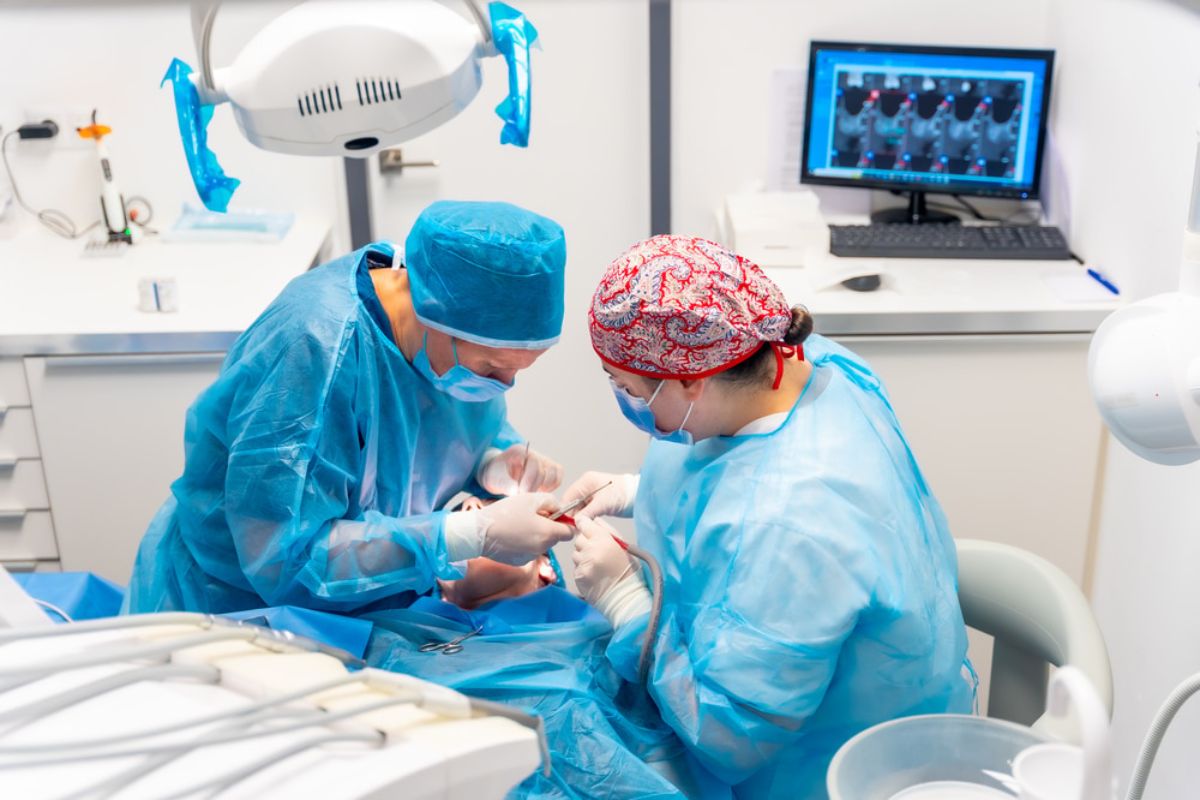
Getting dental implants is a major step toward restoring both oral health and confidence. While the long-term results are worth it, it’s natural to experience some sensitivity or discomfort in the days following the procedure. Knowing how to manage this healing phase makes the process smoother and helps protect your investment.
Understanding Post-Implant Sensitivity
Mild soreness and sensitivity are part of the body’s natural healing response after dental implant surgery. This usually stems from:
- Tenderness in the gums around the implant site
- Swelling or inflammation as tissues recover
- Minor adjustments in your bite as your mouth adapts
These sensations typically fade within a few days to weeks, especially when paired with proper care.
Practical Tips for Reducing Discomfort
There are several gentle ways to manage sensitivity without slowing down the healing process:
- Cold Compresses: Applying a cold pack can help reduce swelling and numb soreness.
- Over-the-Counter Medication: Non-prescription pain relievers may be recommended by your dentist to ease temporary discomfort.
- Saltwater Rinses: A warm rinse with saltwater can soothe irritation while keeping the mouth clean.
- Avoid Hard Foods: Stick to soft foods like yogurt, smoothies, or mashed vegetables to avoid unnecessary pressure on the implant site.
Supporting Healing with Smart Choices
In the weeks following placement, making thoughtful choices can help you recover comfortably:
- Stay hydrated to promote circulation and tissue repair.
- Avoid smoking, which can delay healing.
- Maintain good oral hygiene by brushing gently around the area with a soft-bristle toothbrush.
- Limit vigorous exercise during the first few days to avoid increased blood flow and swelling.
- When to Reach Out to Your Dentist
While mild sensitivity is normal, it’s important to recognize when something feels off. Contact your dental provider if you experience:
- Persistent or worsening pain after the first week
- Significant swelling that does not improve
- Difficulty chewing even soft foods
- Any loosening of the implant or unusual bleeding
Prompt communication ensures small issues don’t turn into complications.
The Role of Professional Guidance
Many patients find reassurance in having a trusted provider guide them through recovery. Our dental implant specialist can offer personalized recommendations and check your healing progress during follow-up visits. Regular monitoring is key to making sure the implant integrates smoothly and lasts for years.
Conclusion
Recovering from dental implant surgery takes patience, but with gentle care and attention, sensitivity and discomfort are usually temporary. By following your dentist’s advice and making supportive lifestyle choices, you set the stage for a strong, confident smile that will serve you well for years. With compassionate post-implant care and expert guidance, Graig D. Brown DDS is dedicated to helping patients achieve long-lasting results.