(520) 790-2151



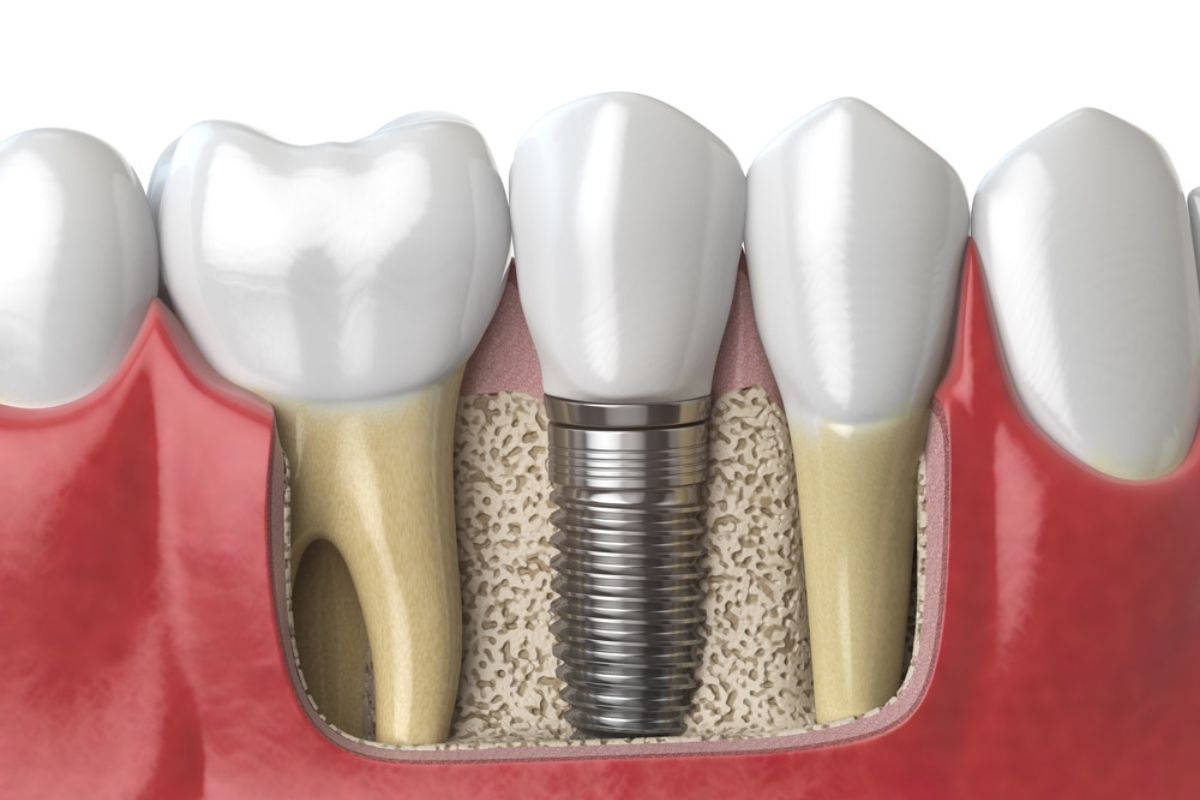
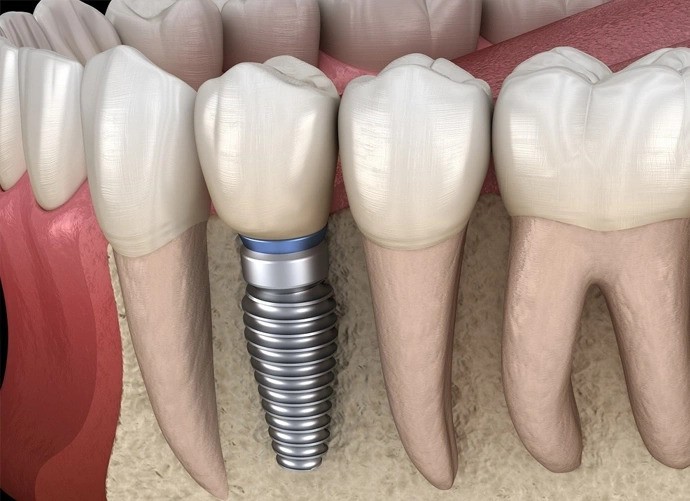
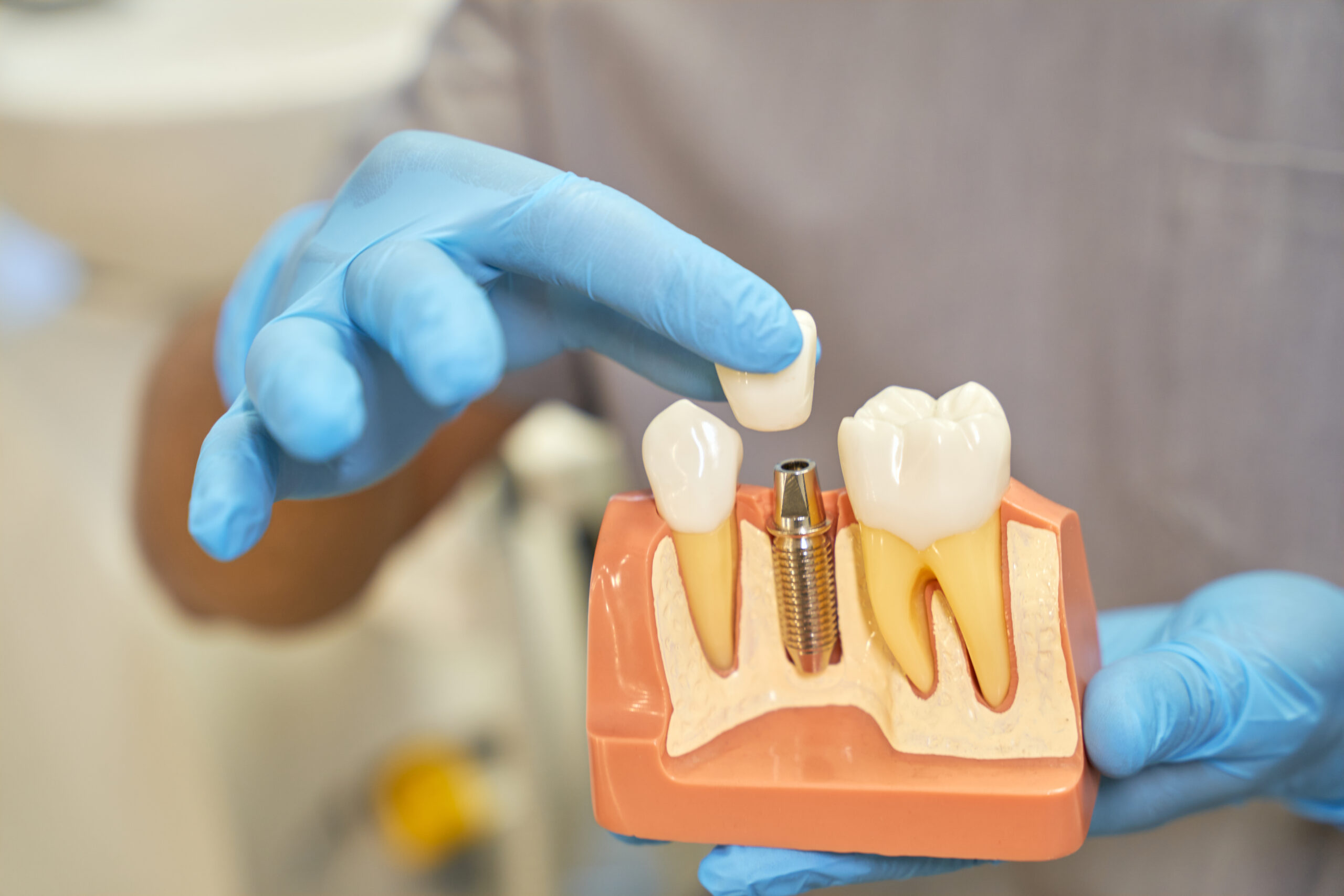
Dental implants are one of the most reliable ways to replace missing teeth, but success doesn’t begin with the implant itself. It starts with the health of your gums and jawbone. Many people in Tucson explore implants after years of dealing with tooth loss, sensitivity, or gum problems, sometimes without realizing that untreated periodontal issues can quietly undermine implant outcomes.
Before moving forward with tooth replacement, it’s important to recognize the warning signs that your gums may need attention first. Addressing these concerns early not only improves comfort and oral health, but also increases the long-term stability of dental implants.
Why Gum Health Matters Before Implant Treatment
Dental implants rely on strong bone and healthy gum tissue to stay secure. If periodontal disease is present, the supporting structures around the teeth may already be compromised. In the Sonoran Desert, factors like dry air, dehydration, and higher rates of tobacco use can further contribute to gum inflammation and bone loss.
That’s why practices specializing in Tucson Dental Implants and Periodontics often evaluate gum health before recommending implant placement. Treating periodontal concerns first helps create a stable foundation and reduces the risk of implant failure later on.
Common Signs You May Need Periodontal Care First
If you’re considering dental implants, pay close attention to these signs. They often indicate that your gums and bone need professional care before moving forward.
Bleeding Gums During Brushing or Flossing
Occasional bleeding may seem harmless, but frequent bleeding is often an early sign of gum disease. Healthy gums shouldn’t bleed consistently, even with thorough brushing.
Persistent Bad Breath or a Bad Taste
Chronic bad breath that doesn’t improve with oral hygiene can be linked to bacteria below the gumline. This bacterium can interfere with proper healing after implant placement.
Gum Recession or “Longer-Looking” Teeth
If your teeth appear longer than they used to, gum tissue may be pulling away from the teeth. Recession can expose roots and signal underlying bone loss.
Loose Teeth or Changes in Bite
Movement in natural teeth or changes in how your teeth fit together may indicate advanced periodontal disease. This often means the bone support needed for implants has been reduced.
Swollen, Tender, or Red Gums
Healthy gums are firm and pink. Swelling or tenderness can signal an infection that needs to be controlled before any surgical implant procedure.
History of Gum Disease or Tooth Loss
Even if symptoms aren’t obvious now, a past diagnosis of periodontal disease increases the likelihood that additional treatment is needed before implants.
How Periodontal Treatment Supports Implant Success
Periodontal care focuses on eliminating infection, stabilizing bone levels, and restoring gum health. Depending on your needs, treatment may include deep cleanings, antimicrobial therapy, or regenerative procedures designed to strengthen the jawbone.
For patients seeking Tucson Dental Implants and Periodontics, this step is not a delay—it’s an investment in long-term success. Proper periodontal care improves healing, enhances comfort, and significantly lowers the risk of implant complications.
Local Factors That Make Periodontal Screening Especially Important in Tucson
Living in Tucson comes with unique environmental and lifestyle considerations. Desert conditions can reduce saliva flow, making gums more vulnerable to irritation. Seasonal allergies and sinus issues may also mask early gum symptoms, causing problems to go unnoticed.
In addition, many Tucson residents lead active outdoor lifestyles. Dehydration, stress, and delayed dental visits can allow periodontal issues to progress quietly. A thorough periodontal evaluation ensures these local factors don’t interfere with implant success.
Pointers to Prepare for a Periodontal Evaluation
If you’re thinking about dental implants, these steps can help you prepare:
- Pay attention to gum changes, even if they seem minor
- Maintain consistent brushing and flossing habits
- Stay hydrated, especially during hot Tucson summers
- Share your dental and medical history openly during your visit
- Ask about bone and gum health before discussing implant timelines
Taking these steps will make your consultation more productive and help your care team tailor treatment to your needs.
When to Schedule an Appointment
If you’re considering dental implants or have noticed signs of gum concerns, now is the right time to take the next step. A personalized periodontal evaluation can help determine what your gums and jawbone need before moving forward with treatment. Our Tucson-based team takes the time to listen, assess your oral health thoroughly, and guide you through your options with clarity and care. Schedule your appointment today to protect your smile and move closer to long-lasting implant success with confidence.
Frequently Asked Questions
Can I still get dental implants if I have gum disease?
Yes, in many cases. Gum disease often needs to be treated first to create a healthy foundation, but it does not automatically rule out implants.
Will periodontal treatment delay my implant timeline?
While it may add a step, treating gum issues first often prevents delays caused by complications later. It’s a proactive approach that saves time and discomfort in the long run.
Is periodontal care painful?
Modern techniques focus on comfort. Most patients report minimal discomfort and appreciate the long-term benefits.
How do I know if my bone is strong enough for implants?
A comprehensive evaluation, including imaging, helps determine bone levels and whether additional treatment is needed.
How soon can I book an evaluation?
If you’re experiencing symptoms or planning for implants, scheduling sooner rather than later allows you to move forward with clarity and confidence.