(520) 790-2151




Dental implants are an excellent solution for replacing missing teeth, offering a natural look and long-term durability. While the procedure itself is highly effective, proper healing is essential for the success of the implants. Understanding the recovery process can help patients feel more confident about their journey toward a healthier smile. The healing period varies depending on individual factors, but following the right aftercare guidelines ensures a smooth and comfortable recovery.
What to Expect Immediately After Surgery
After implant placement, mild discomfort, swelling, and slight bleeding are common. These symptoms typically subside within a few days. Patients are advised to rest and avoid strenuous activities during the initial 24 to 48 hours. Cold compresses can help reduce swelling, while prescribed or over-the-counter pain medications can help manage discomfort. Eating soft foods and avoiding hot beverages minimizes irritation around the surgical site.
Good oral hygiene is crucial even during the early stages of healing. However, brushing and flossing should be done gently to prevent disturbing the implant area. Rinsing with a warm saltwater solution a few times a day aids in keeping the mouth clean and reducing bacteria buildup.
The First Few Weeks of Healing
During the first two weeks, gum tissue begins to heal around the implant. Some minor soreness may still be present, but significant discomfort should have subsided. It’s essential to avoid chewing directly on the implant site, as excessive pressure can interfere with proper integration.
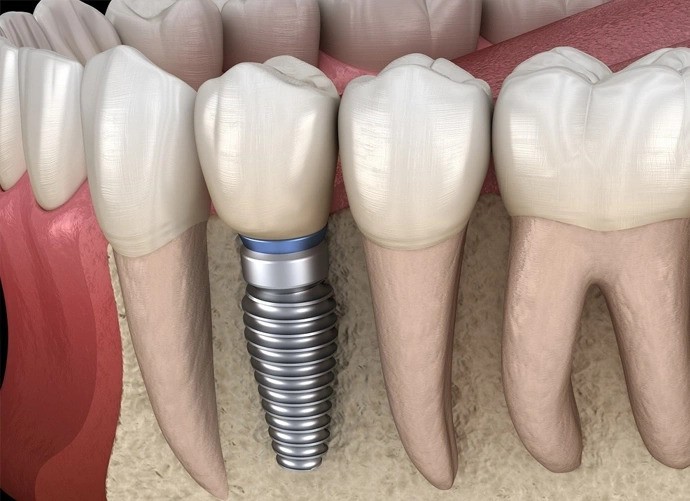
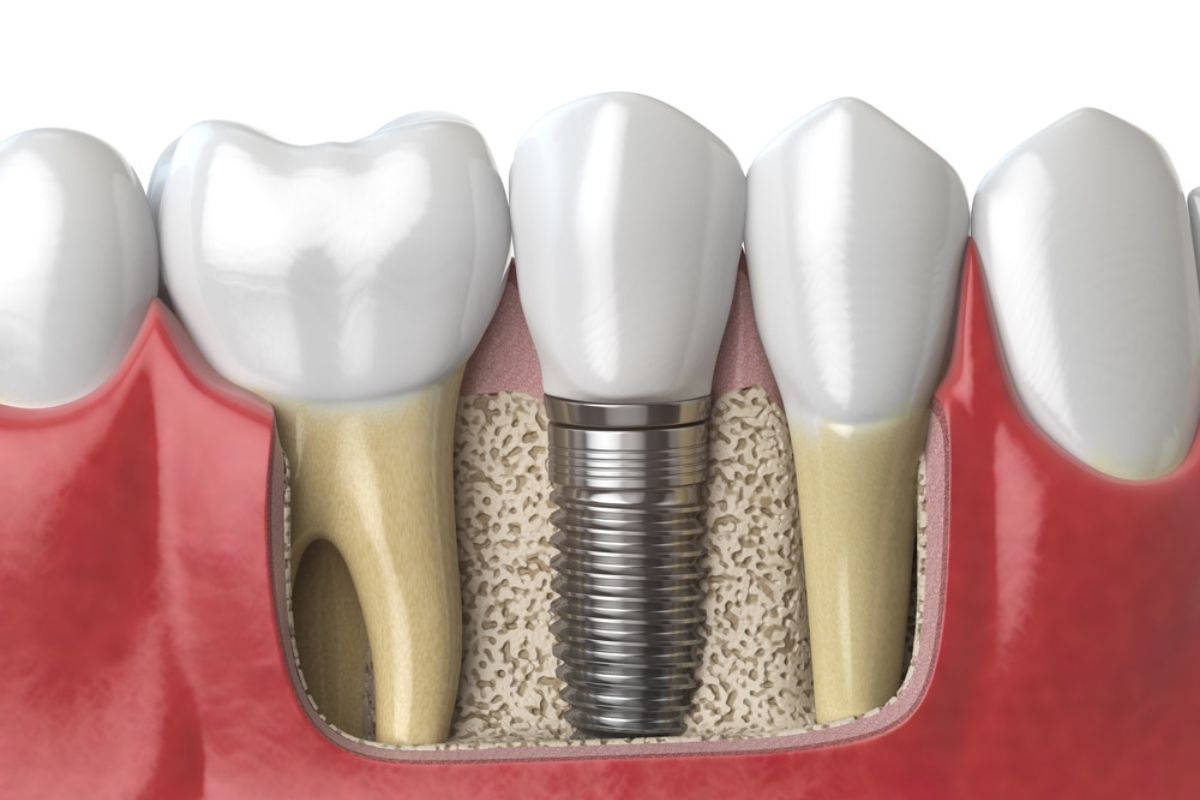
At this stage, the process of osseointegration begins. This refers to the bonding of the titanium implant with the jawbone, creating a stable foundation for the artificial tooth. The success of osseointegration depends on factors such as bone density, overall health, and adherence to post-operative care instructions. For most patients, this phase takes several months.
Many individuals in search of dental implants in Tucson, AZ, often wonder how long the healing phase lasts. While every case is unique, the average time for full recovery ranges from three to six months. Regular follow-up visits allow the dentist to monitor progress and ensure that the implant is integrating properly.
Long-Term Recovery and Final Restoration
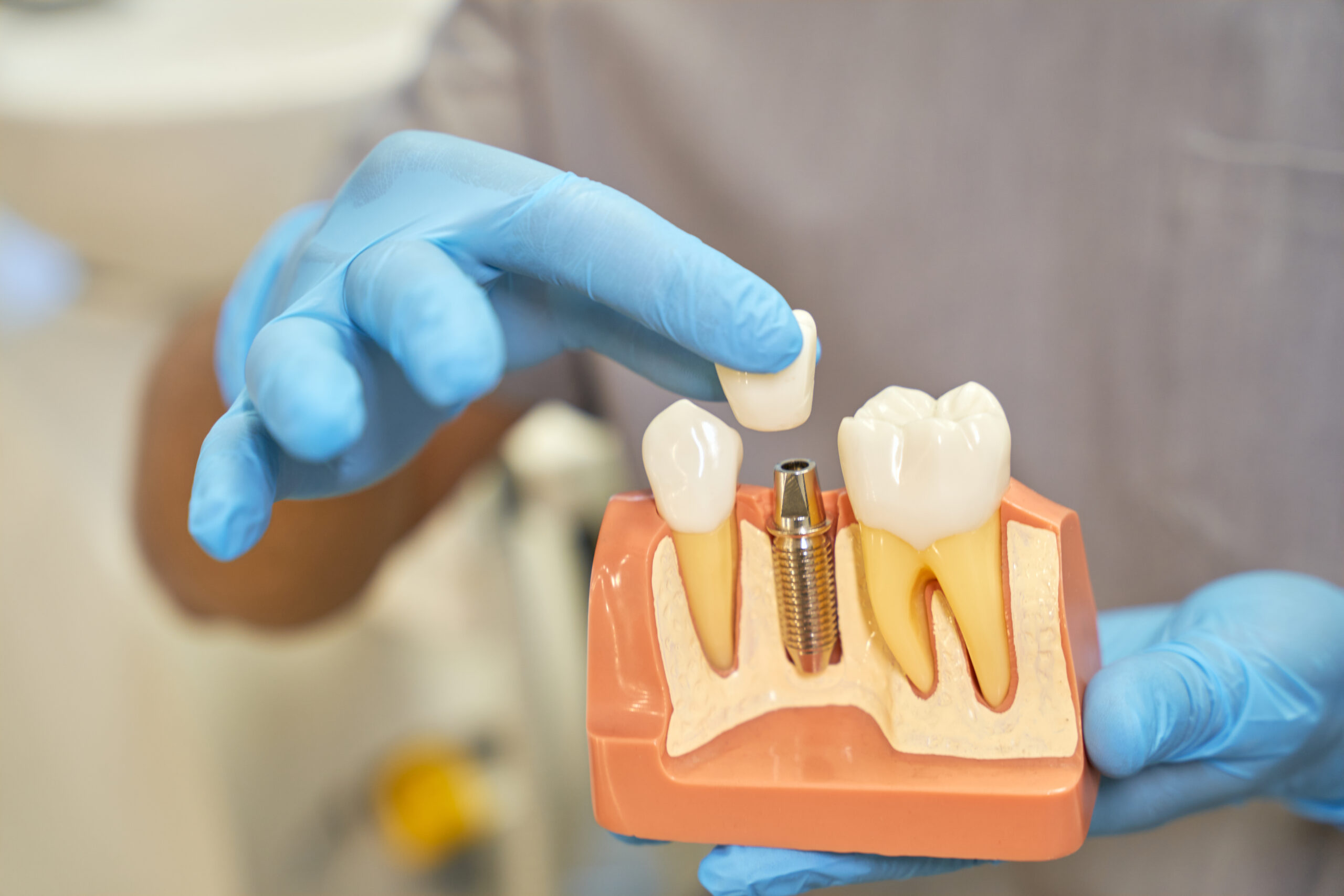
By the three-month mark, most patients notice significant improvement in comfort and stability. The implant site continues to strengthen, and once the dentist confirms that osseointegration is complete, the next step involves placing the abutment and custom crown. The crown is designed to match the natural teeth, restoring function and aesthetics.
During the final stages of recovery, maintaining excellent oral hygiene is vital to prevent infections and gum disease, which can impact the long-term success of the implant. Regular brushing, flossing, and professional cleanings help keep the implant and surrounding teeth in optimal condition.
Ensuring Long-Term Implant Success
Dental implants are designed to last for decades with proper care. Healthy lifestyle choices, such as avoiding smoking and maintaining a well-balanced diet, contribute to the longevity of implants. Routine dental visits allow the dentist to check for any signs of complications and provide necessary maintenance.
Patients looking for high-quality implant care can trust Graig D. Brown, DDS, who specializes in advanced dental implant procedures. With years of experience, he ensures personalized treatment plans that promote successful outcomes.
Recovering from dental implant surgery requires patience and diligent aftercare. By following the recommended guidelines, patients can enjoy a seamless healing process and long-lasting results.